
RJ Mitte, the actor best known for portraying Walter White Jr. in the acclaimed television series Breaking Bad, is being remembered for his work on screen and his efforts to promote greater representation for people with disabilities. He was 34.
News of Mitte’s passing has brought renewed attention to a career that extended well beyond the role that introduced him to millions of viewers. From his early success on television to his later film projects and advocacy work, he built a public profile that combined entertainment with a commitment to challenging stereotypes.
For many fans, Mitte will always be associated with Walter White Jr., the son of Bryan Cranston’s central character in Breaking Bad. Yet his story as a performer involved much more than one memorable television role.
The Role That Made RJ Mitte A Familiar Face
Mitte joined Breaking Bad when the series premiered in 2008. The drama followed Walter White, a chemistry teacher whose decisions gradually transformed his family’s life and drew him into an increasingly dangerous world.
As Walter White Jr., Mitte portrayed a teenager trying to understand the changes happening within his household. His character offered viewers a perspective on the family consequences of Walter’s secret activities, adding another layer to a story that reached far beyond its criminal plot.
The series ran for five seasons, concluding in 2013, and became one of television’s most widely discussed dramas. Its success helped establish Mitte as a recognizable young actor, while his work alongside Cranston and Anna Gunn placed him within an ensemble that earned extensive critical recognition.
One aspect of his performance that drew particular attention was his experience with cerebral palsy. Mitte has the condition in real life, and that personal connection informed his portrayal of Walter White Jr. The role gave audiences a prominent disabled character whose story was woven into the everyday experiences, relationships and conflicts of a family.
For many viewers, that representation was meaningful because it allowed the character to exist as part of a larger story rather than being defined entirely by his disability.

Bryan Cranston Remembers His On-Screen Son
Among those reflecting on Mitte’s legacy was Bryan Cranston, who played his father throughout Breaking Bad.
Cranston remembered the actor affectionately as his son on the series and recalled meeting him when he was just 14. Over the years, their professional relationship developed as the young performer grew in confidence and experience.
Cranston also recognized Mitte’s efforts to improve opportunities for disabled actors. His tribute highlighted a side of Mitte’s career that viewers might not always have seen while watching the show: his determination to use his public profile to encourage greater inclusion in the entertainment industry.
Their on-screen relationship was an important part of Breaking Bad, particularly as Walter White’s decisions created increasing tension within his family. Behind the scenes, the cast spent years working together as the series developed into a major television success.
That shared history helps explain why the news has resonated with people who followed the show from its early episodes through its conclusion.

His Career Continued Beyond Breaking Bad
Although Breaking Bad remained his best-known project, Mitte continued pursuing acting opportunities after the series ended.
His later credits included appearances in television productions such as Switched at Birth and The Guardians of Justice, along with film projects including The Oak Room and The Recall. These roles allowed him to explore different genres and work outside the dramatic family setting that first brought him widespread recognition.
One particularly relevant project was Triumph, a film centered on a high school wrestler with cerebral palsy. The story explored ambition, relationships and the challenges of navigating adolescence while living with a disability.
For Mitte, projects involving disability and representation were closely connected to a broader conversation about how people with different physical abilities are portrayed in popular culture. His own career demonstrated that disabled performers could take on varied roles rather than being limited to a narrow set of character types.
He also continued working on newer projects. On September 30, 2026, Mitte attended a screening and discussion for Talking to Strangers in Beverly Hills, California, according to published reports.
The appearance was among his final documented public engagements and highlighted that his professional life continued to move forward years after the television series that made him famous.
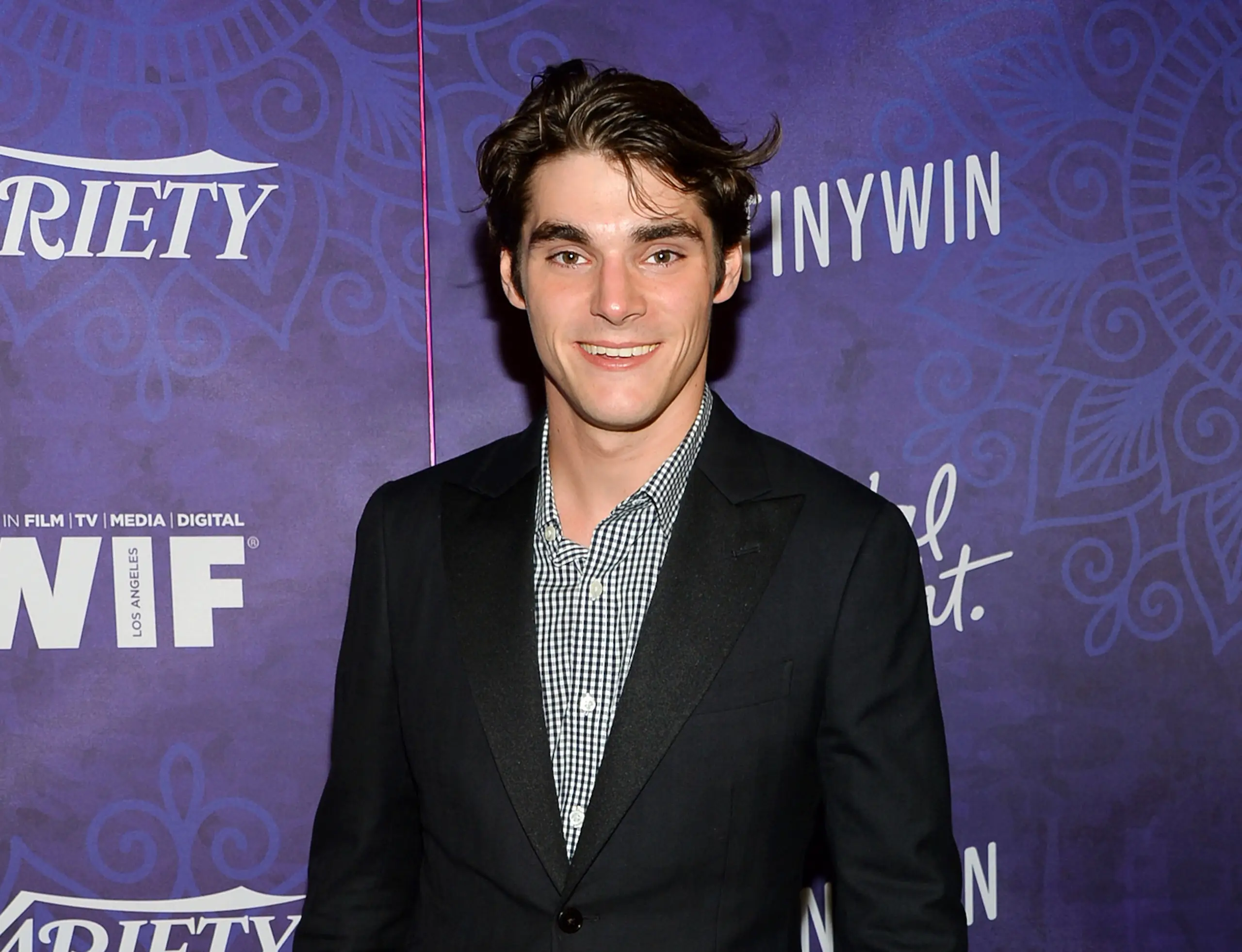
A Final Public Appearance In New Mexico
Mitte’s final reported public appearance took place on October 4, 2026, at the Albuquerque International Balloon Fiesta in New Mexico.
He attended the event alongside Breaking Bad co-star Luis Moncada. The gathering brought him back into the company of someone connected to the television production that had played such a significant role in his career.
Just eight days later, news of his passing was announced, prompting renewed interest in the photographs and reports documenting his recent public appearances.
The timing has naturally drawn attention, but there is no need to attach additional meaning to the events themselves. His appearance at the festival was part of his public life, while the larger story is the body of work and advocacy he leaves behind.
For longtime fans, the images also serve as a reminder that Mitte remained connected to the people and projects that helped shape his professional journey.

Advocacy Became An Important Part Of His Legacy
Mitte’s influence was not limited to television and film. He also worked to improve visibility and opportunities for people with disabilities, using his experiences in the entertainment industry to support a wider conversation about inclusion.
He served as an ambassador for organizations including United Cerebral Palsy and Shriners Children’s. He was also involved with The Mitte Foundation, which reflected his interest in creating more opportunities and challenging assumptions about disability.
These efforts were significant in an industry where disabled performers have often faced limited casting opportunities and stories that focus primarily on their physical conditions.
Mitte’s career offered another possibility. He portrayed a recognizable television character, pursued a range of other projects and participated in conversations about the importance of authentic representation.
His work helped bring attention to a question that remains relevant across film and television: how can the industry create more opportunities for disabled performers to tell diverse stories and be recognized for their full range of abilities?
That contribution gives his legacy a dimension beyond celebrity recognition. It connects his personal experiences to a broader effort to make entertainment more representative of the people who watch it.
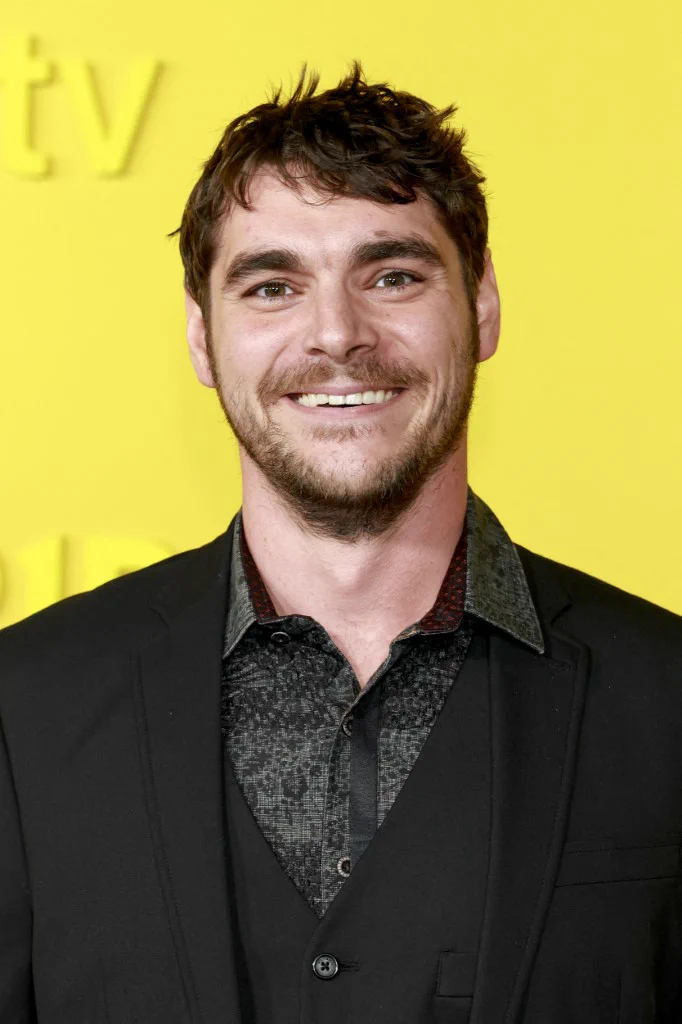
Remembering The Person Beyond The Character
For audiences who discovered Mitte through Breaking Bad, Walter White Jr. will remain an enduring part of his public identity. The character was central to the family story at the heart of the series, and his presence helped illustrate the consequences of decisions made far beyond his control.
But reducing Mitte’s life to a single role would overlook the years he spent building his career, taking on new projects and supporting disability advocacy.
His journey from a young actor on a celebrated television drama to an established performer with interests beyond acting reflected a determination to keep moving forward. He continued to work in entertainment while using his experiences to encourage greater inclusion for others.
As tributes continue, fans have an opportunity to revisit the performances that introduced him to audiences and learn more about the work he pursued afterward.
Mitte’s legacy will be remembered through the character he brought to life, the colleagues who worked alongside him and the advocacy efforts that helped extend his impact beyond the screen.
For those who watched Breaking Bad during its original run, and for viewers who discovered it years later, his performance remains part of a series that continues to attract new audiences. His broader work offers another reason to remember him: not simply as the actor behind a familiar character, but as a performer who sought to make the industry more inclusive.
His career may have begun for many viewers with one television family, but the influence he pursued reached well beyond it.