Barry Morphew was supposed to be awaiting his murder trial under strict court supervision.
Instead, the Colorado man accused of killing his wife, Suzanne Morphew, has been arrested again after prosecutors alleged that he violated the conditions of his $3 million bond by traveling without authorization and becoming involved in a Denver hit-and-run.
The latest development has added another legal complication to a case that has already stretched across more than six years.
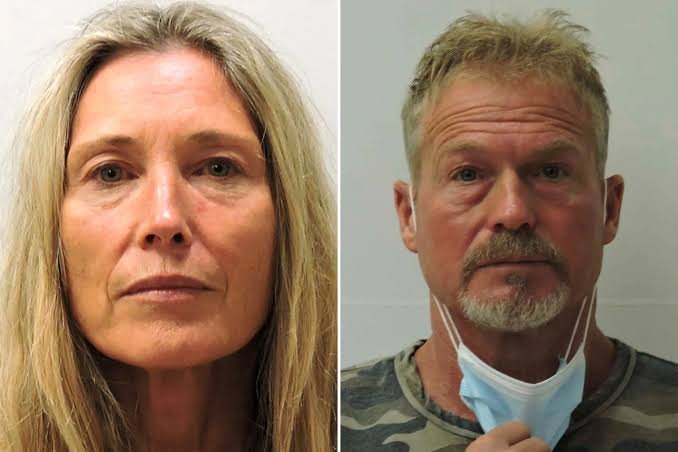
Morphew was arrested by Boulder County sheriff’s deputies at about 9:11 p.m. Thursday, September 3, on an outstanding Alamosa County warrant alleging failure to comply with his release conditions. He was booked into the Boulder County Jail shortly afterward.
The arrest came after a judge reviewed video connected to an August 26 incident in Denver and ordered Morphew to remain inside his home with no exceptions.
Now prosecutors are asking the court to impose even tighter restrictions and are considering whether his bond should ultimately be revoked.
A murder case that began in 2020
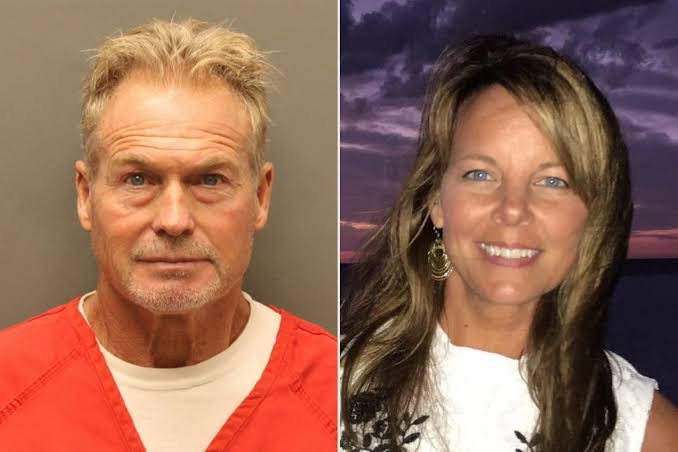
Morphew has been accused of killing his wife, Suzanne, whose disappearance became one of Colorado’s most closely followed missing-person cases.
Suzanne disappeared on Mother’s Day, May 10, 2020, after reportedly going for a bike ride near the couple’s home in Chaffee County.
Her bicycle was later found, as was her helmet, but Suzanne herself could not be located.
Barry was initially charged with her murder in 2021. However, prosecutors dismissed that case without prejudice in April 2022, meaning the charges could potentially be brought again.
The case changed dramatically in September 2023, when investigators discovered Suzanne’s remains in Saguache County, more than three years after she disappeared.
Her death was later ruled a homicide. An autopsy found the presence of three drugs — butorphanol, azaperone and medetomidine — a combination commonly referred to as BAM and used to tranquilize animals.
In June 2025, a grand jury returned a new indictment charging Barry Morphew with first-degree murder.
He has pleaded not guilty and has consistently denied killing his wife.
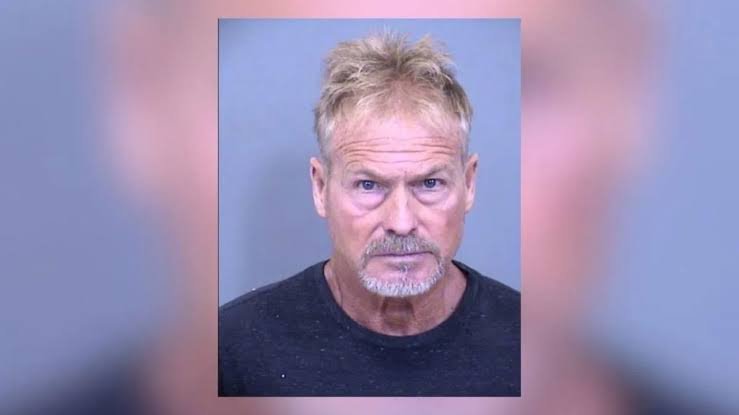
Prosecutors’ case includes allegations involving the tranquilizing drugs found in Suzanne’s remains and Barry’s previous access to BAM through his history of using the substance with deer. The indictment also contains other evidence prosecutors say connects Morphew to Suzanne’s death.
The murder case is still unresolved, and Morphew remains legally presumed innocent unless prosecutors prove the charge in court.
Then came the Denver incident
While awaiting trial, Morphew was released on a $3 million bond with significant restrictions.
Among the conditions were GPS monitoring and limitations on where he could travel. His release allowed certain exceptions, including work, legal matters and medical needs.
That arrangement came under scrutiny after an August 26 incident in Denver.
According to a September 2 court order, a driver involved in the incident reported that Morphew was driving aggressively before striking two vehicles.
One of the drivers recorded part of the encounter.
The judge later reviewed the footage and said the person shown in it was “very clearly” Morphew. According to the court order, he refused to provide his name or identification and indicated that he did not have insurance.
The situation allegedly became more unusual from there.
The judge said Morphew offered the other driver $300 for the damage to her vehicle. She refused the offer.
Video reviewed by the judge allegedly showed Morphew attempting to buff scratches from the other vehicle with his hand and T-shirt.
When the driver indicated that police were being called, Morphew allegedly left the scene.
According to the judge’s account, he nearly struck another person while leaving and drove over a curb.
These allegations have not been adjudicated in court.
But they immediately raised concerns because Morphew was already under strict release conditions in his murder case.
The GPS data raised another problem
The hit-and-run was not the only issue prosecutors discovered.
According to a motion filed by the Alamosa County District Attorney’s Office, GPS data showed Morphew traveled to Denver International Airport on August 28.
The prosecution says he was permitted to leave home for work, but authorities found no information indicating that he was working at the airport that day.
Morphew’s defense reportedly told prosecutors that he may have been picking up his daughter from the airport.
Prosecutors, however, say the GPS information showed Morphew later traveled through areas containing hotels and a mall before eventually appearing near the location of the alleged hit-and-run.
They argue that the activity suggests he was using the work exception for purposes other than work.
That has become a significant issue because GPS monitoring was one of the mechanisms intended to ensure Morphew complied with the conditions of his release.
Judge orders full home confinement
After reviewing the video of the Denver incident, District Judge Amanda Hopkins took immediate action.
On September 2, she ordered Morphew to remain inside his home at all times.
No work exception.
No routine travel.
No other permission to leave.
The order stated that if Morphew experienced a medical emergency, he would have to call 911 and be transported by ambulance.
The judge’s decision came before Morphew’s subsequent arrest.
Prosecutors then asked the court to modify his bond further, arguing that the alleged conduct raised concerns about his compliance and potential flight risk.
The District Attorney’s Office said it was continuing to gather information and would determine whether to seek full revocation of his bond.
Prosecutors want even stricter conditions
In their latest filing, prosecutors requested several additional restrictions.
Among them, they want Morphew prohibited from driving and want any future work-related travel to be specifically documented and verified.
They also want increased GPS and pretrial monitoring and additional financial conditions attached to his release.
Prosecutors argue that the circumstances surrounding the alleged hit-and-run demonstrate a heightened flight risk.
They also point to the fact that the incident came while Morphew was already facing a first-degree murder charge and subject to court-ordered monitoring.
For now, however, the court has not determined that Morphew committed the alleged hit-and-run or that he intentionally violated every condition prosecutors say he violated.
Those matters will be addressed through the legal process.
The murder trial is still ahead
The new arrest does not resolve the case involving Suzanne Morphew.
That case remains centered on the events of May 2020 and the evidence prosecutors say links Barry to Suzanne’s death.
According to the 2025 indictment, Suzanne’s remains were found in a shallow clandestine grave in Saguache County in September 2023.
Investigators later determined that her remains contained BAM-related substances. Prosecutors have alleged that Barry had unusual access to the drug mixture because of his previous experience with deer.
The indictment also alleges that Suzanne’s remains showed signs suggesting she did not decompose at the location where they were eventually found, leading investigators to believe her body had been moved.
Barry has denied involvement in his wife’s death.
The murder case therefore remains a contested prosecution rather than a resolved crime.
The latest bond dispute is a separate legal matter.
A case that keeps getting more complicated
For years, the disappearance of Suzanne Morphew remained a mystery.
Her husband was once charged and then saw the case dismissed.
Her remains were eventually discovered.
A new grand jury indictment brought the murder case back.
And now, while awaiting trial, Barry Morphew has been arrested again over allegations unrelated to the original disappearance but potentially significant to his freedom before trial.
The next major development is expected to come in court.
A hearing on Morphew’s bond is scheduled for September 8, 2026, when the court is expected to address the alleged violations and the prosecution’s request for tighter restrictions.
For prosecutors, the question is whether Morphew should continue to receive the same level of freedom while awaiting his murder trial.
For his defense, the allegations surrounding the Denver incident and his travel will have to be addressed through the court process.
And for Suzanne Morphew’s family, the latest development is another unexpected chapter in a case that began when she disappeared on Mother’s Day in 2020.
More than six years later, her death remains the subject of a first-degree murder prosecution.
Now the man accused of killing her is back in custody after an alleged hit-and-run and alleged violations of the conditions that had allowed him to remain out of jail.
What happens next could determine not only how tightly Barry Morphew is monitored before his murder trial, but also whether prosecutors seek to take away his bond altogether.
For now, one thing is clear: the legal battle surrounding Barry Morphew has entered another critical stage — and the September 8 hearing could provide the next major answer.