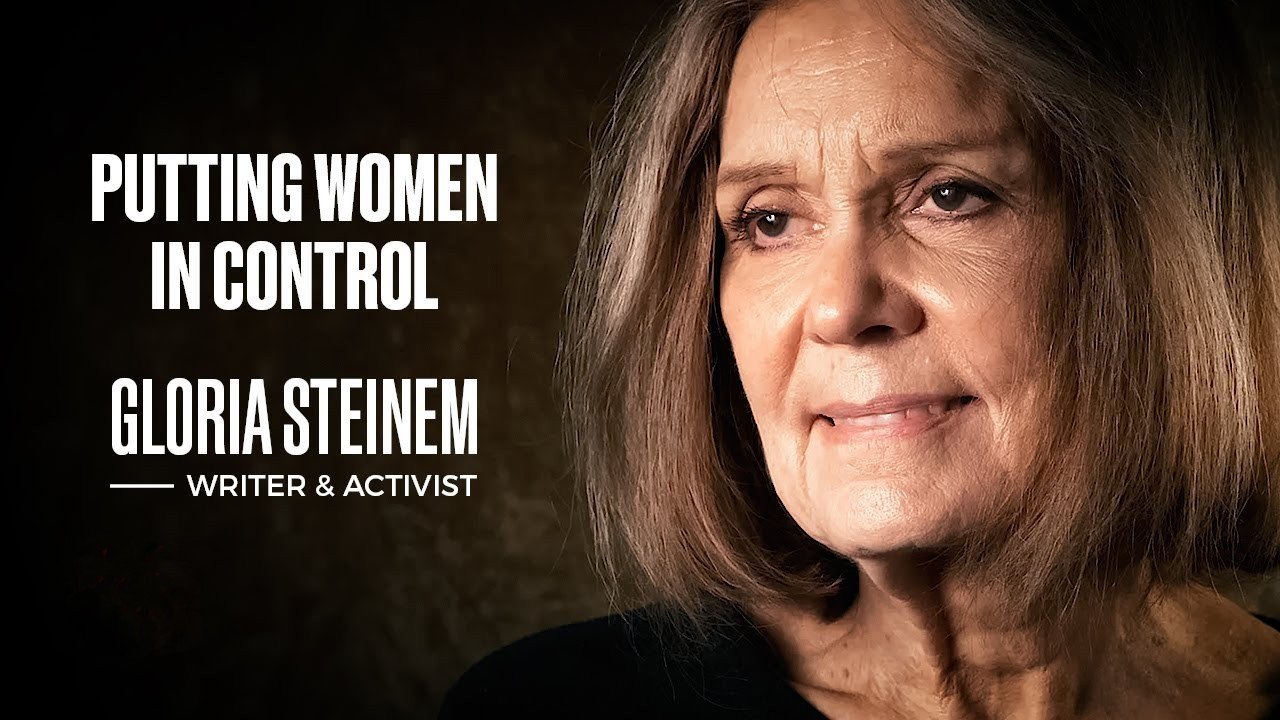
Gloria Steinem, the journalist, author and activist who became one of the most recognizable figures in the American women’s movement, has died at 92.
Steinem died peacefully at her home in New York City on September 2, surrounded by people who loved her, according to a statement from her family and the Gloria Steinem Foundation. No cause of death was announced.
Her death marks the end of a life that stretched across more than six decades of journalism, organizing and political activism — and across a period in which the role of women in American public life changed dramatically.
But Steinem’s legacy was never limited to one campaign or one political era.
She helped bring conversations about sexism, reproductive rights, workplace discrimination and violence against women into mainstream American culture. She wrote books, founded organizations, worked as a journalist and became a public voice for generations of women who were challenging expectations about what their lives were supposed to look like.
And remarkably, she continued doing that work well into her 80s and 90s.
From journalism to activism
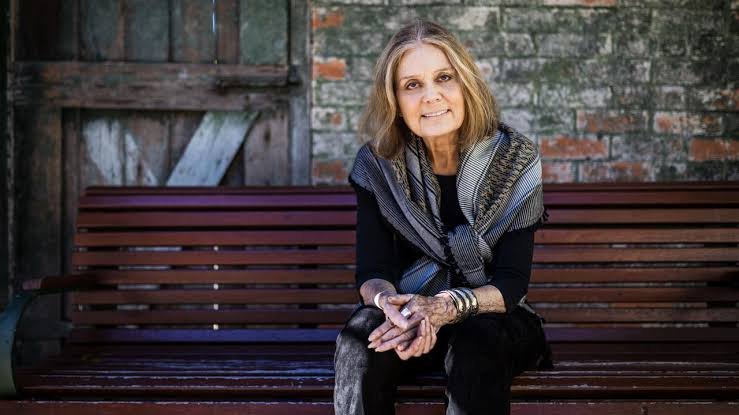
Born in Toledo, Ohio, in 1934, Steinem initially built her reputation as a journalist.
One of the early experiences that brought her national attention came in 1963, when she went undercover as a Playboy Bunny and wrote about the working conditions she encountered. The resulting article, “A Bunny’s Tale,” became an important early example of the investigative work that would help establish her public identity.
But journalism eventually became only one part of Steinem’s work.
By the late 1960s, she was becoming increasingly involved in the women’s liberation movement. An abortion-rights speak-out she attended in 1969 became an important turning point, helping move her more deeply into political activism.
Steinem soon became one of the most visible voices of what is often called the second-wave feminist movement.
She also became increasingly interested in building institutions that could continue the work beyond individual protests and speeches.
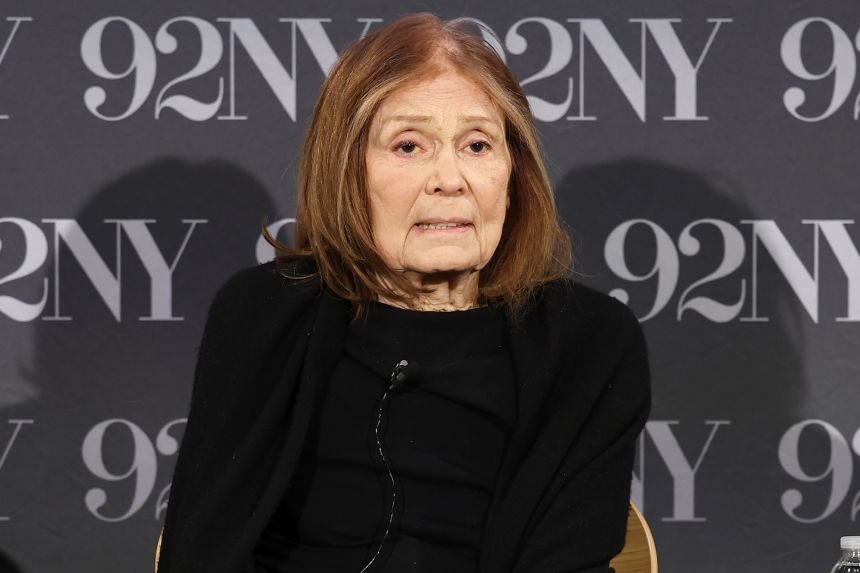
In 1971, she helped establish the National Women’s Political Caucus and co-founded Ms. magazine, creating platforms that would become closely associated with the women’s movement.
Ms. magazine became part of her legacy
The creation of Ms. magazine was particularly significant because it offered a publication built around women’s experiences and issues at a time when mainstream media often treated those subjects very differently.
Steinem’s work helped move topics that had traditionally been discussed privately into public debate.
Issues involving gender roles, sexual harassment, reproductive freedom, economic inequality and women’s political participation became part of a much larger national conversation.
Her influence also extended beyond the magazine itself.
She helped establish and support organizations devoted to women’s rights and social justice, including the Ms. Foundation for Women. Over the years, her activism increasingly incorporated broader questions involving racial justice, civil rights and equality.
Steinem repeatedly emphasized that the women’s movement was larger than any one person.
Even though she became its most recognizable public faces, she often resisted the idea that feminism belonged to her.
Her influence came partly from her ability to connect journalism, politics and grassroots activism — and to give people language for experiences that many had previously struggled to describe.
A public figure who remained active for decades
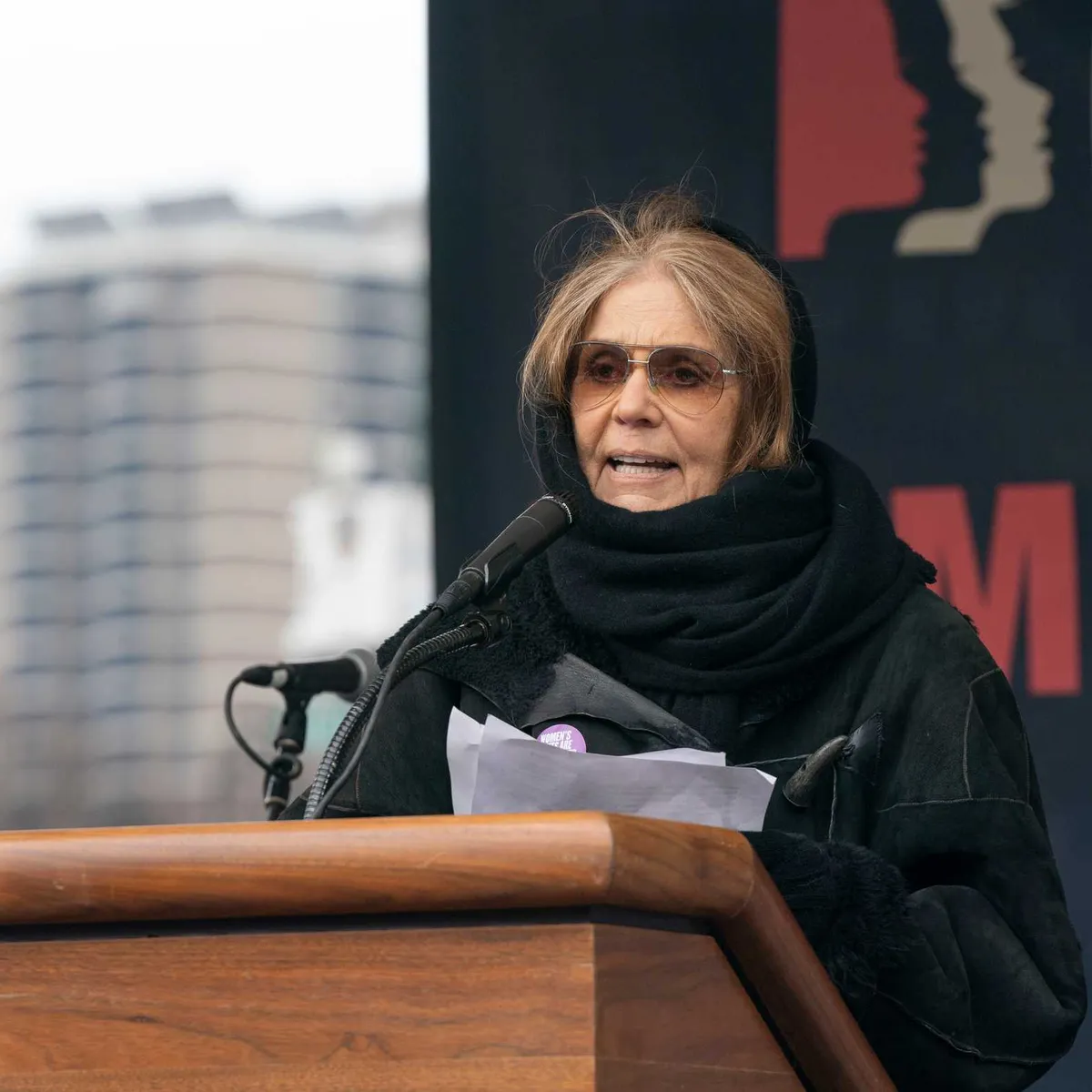
Steinem never completely stepped away from public life.
She continued speaking, writing and organizing long after becoming an established figure of the women’s movement.
In 2013, President Barack Obama awarded her the Presidential Medal of Freedom, one of the country’s highest civilian honors.
Even as she grew older, Steinem continued discussing issues involving equality and social justice.
Her later years also challenged some of the assumptions people had made about her personal life.
Steinem married environmentalist and businessman David Bale in 2000, when she was 66. Bale died in 2003. Steinem had previously been openly skeptical of marriage, but later explained that her experience had changed the way she viewed the institution.
She also remained candid about choosing not to have children, resisting the idea that women should follow a predetermined timeline involving marriage and motherhood.
Those choices became part of the broader philosophy that ran through much of her work: that people should have the freedom to decide what kind of life they want to build.
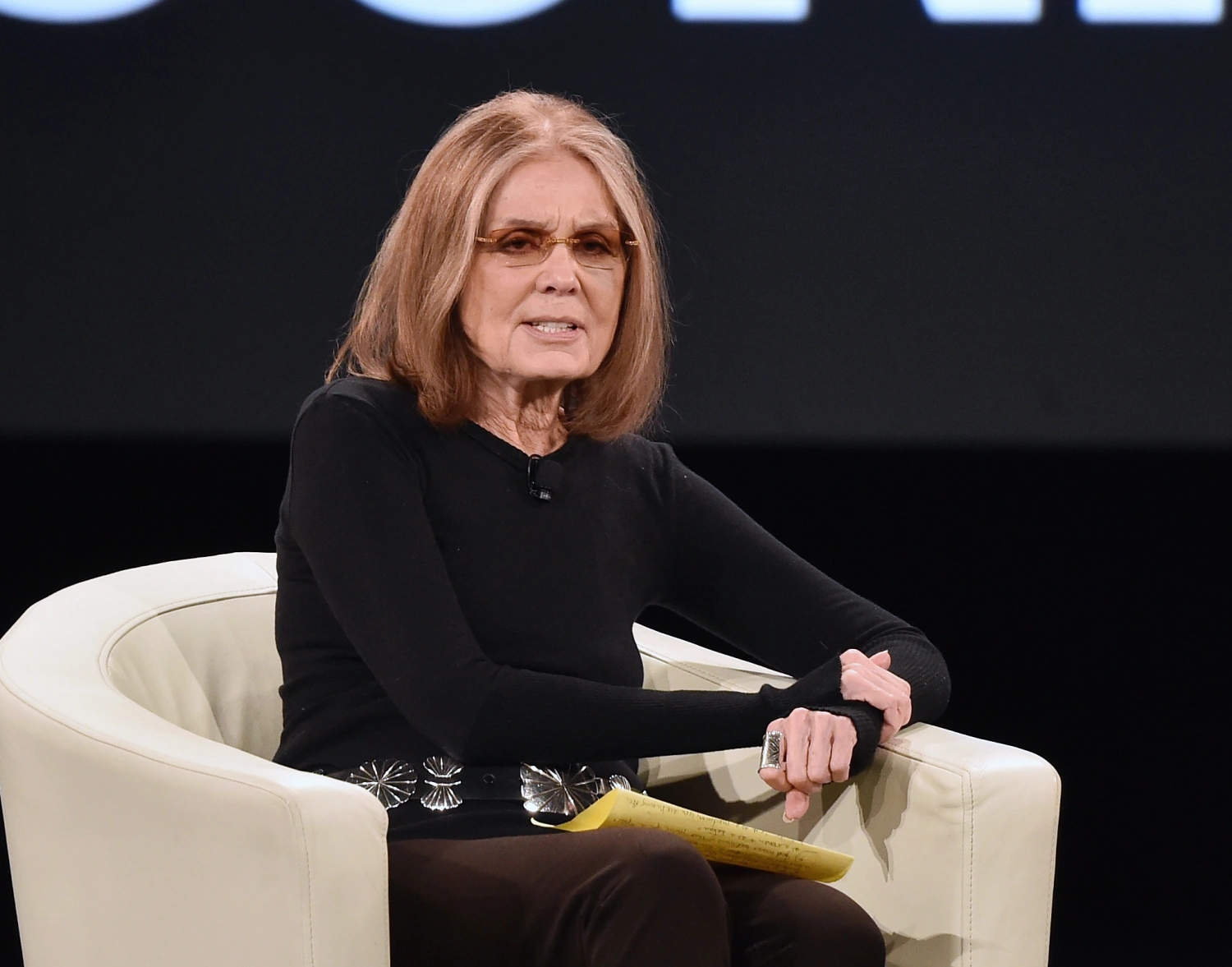
Her final years were still about the future
Perhaps one of the most striking aspects of Steinem’s final years was that she continued looking forward.
Her final memoir, “An Unexpected Life,” is scheduled to be published posthumously on September 22.
In the book, Steinem reflected on her childhood, journalism, activism, relationships and the evolution of her views over the course of her long life. She also wrote about aging and the expectations society places on women.
Despite being 92, Steinem had continued thinking about the future rather than simply looking backward.
In recent conversations, she spoke about hope and the possibility of continued progress. She had even expressed a desire to live to 100.
That makes the timing of her death especially striking: the woman who spent much of her life challenging expectations about age, gender and possibility remained engaged with those questions almost until the end.
Tributes begin pouring in
News of Steinem’s death quickly prompted tributes from people across politics, entertainment and the women’s rights movement.
Former Vice President Kamala Harris, Hillary Clinton and Jill Biden were among those who publicly honored her legacy, while Meghan Markle shared a personal tribute describing Steinem as both an important public figure and a friend and mentor.
Other organizations also recognized the scale of her contribution.
Lambda Legal described her as a pioneering feminist, journalist and activist whose work had a lasting impact on equality and social justice.
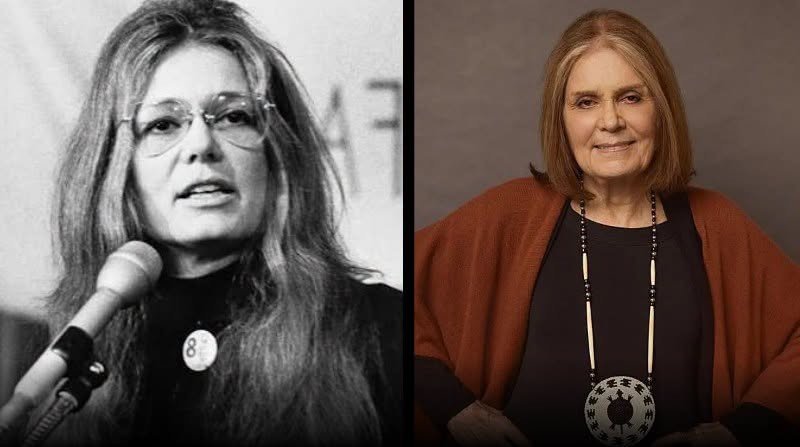
The tributes reflect the unusual breadth of Steinem’s influence.
She was not simply a journalist who later became an activist.
She helped create organizations, publications and political networks that continued operating independently of her, allowing ideas she had championed to reach generations that came after her.
A complicated legacy, but an unmistakable one
Steinem’s career was not without controversy.
As with many major political figures who remain active for decades, she faced criticism over some of her positions and political alliances. She was also involved in debates within the feminist movement itself, including disagreements over race, representation and the direction of women’s activism.
But even critics generally recognized that she had played a major role in making feminism a central part of American political and cultural discussion.
Her influence was particularly visible in the way subjects once considered private became matters of public policy.
Questions about reproductive freedom, workplace equality, sexual harassment, domestic violence and women’s political representation could no longer be easily dismissed as personal problems.
They had become national issues.
That transformation was the result of a much larger movement involving thousands of activists, writers and organizers. Steinem herself repeatedly acknowledged that reality.
But she was undeniably one of the movement’s most recognizable architects and communicators.
The woman behind the icon
In the years before her death, Steinem increasingly spoke about something that had always been present beneath her public image: the importance of listening to other people.
The statement announcing her death described her ability to make people feel seen and heard as one of her greatest gifts.
That description fits a significant part of her later philosophy.
After decades of being photographed, interviewed and placed at the center of political debates, Steinem increasingly emphasized the value of conversation and personal stories.
Her final years therefore did not simply represent the closing chapter of an activist career.
They also offered a different picture of an icon — someone reflecting on aging, relationships, mistakes, hope and the unfinished nature of social change.
What remains after Gloria Steinem
Gloria Steinem’s death does not end the movement she helped build.
The organizations she helped establish remain active. Her books remain in circulation. Ms. magazine continues to publish. And many of the questions she spent her life raising remain part of American political debate.
Her legacy can also be seen in generations of women who entered journalism, politics, activism and public life at a time when those paths were becoming more accessible.
Steinem once became famous for challenging the limitations placed on women.
Over the decades, she continued challenging another limitation: the idea that there is a particular age at which a person is supposed to stop changing, learning or working toward a better future.
She kept writing.
She kept speaking.
She kept organizing.
And she kept insisting that progress was possible.
Now, at 92, Gloria Steinem is gone.
But the institutions she helped create, the conversations she helped bring into the mainstream and the generations she influenced remain.
Her foundation said she continued working for equality until the very end.
That may ultimately be one of the simplest ways to understand the life she leaves behind.
Gloria Steinem spent decades asking America to reconsider what women could be, what they could choose and what kind of society they deserved.
She did not live to see every answer.
But she spent her life making sure the questions could no longer be ignored.