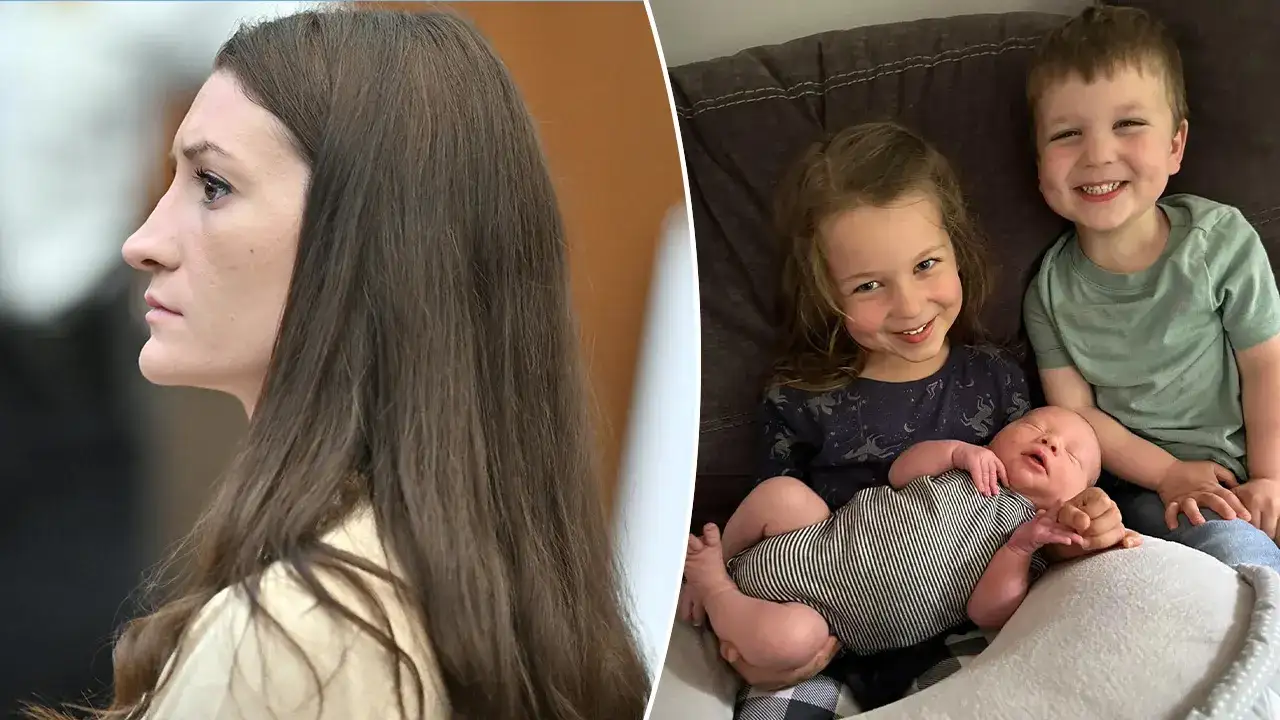
The murder trial of Lindsay Clancy took an especially emotional turn Wednesday as medical examiners described the injuries suffered by her three children, prompting the Massachusetts mother to break down in tears repeatedly in front of the jury. The testimony came as prosecutors presented detailed forensic evidence about the deaths of five-year-old Cora, three-year-old Dawson and eight-month-old Callan, who died in January 2023 inside the family’s home in Duxbury, Massachusetts.
Clancy, 36, has pleaded not guilty by reason of insanity to three counts of first-degree murder. She does not dispute that she was responsible for the deaths, but her defense argues that she was experiencing severe postpartum psychosis and other serious psychiatric problems that left her unable to understand the nature or wrongfulness of what she was doing. Prosecutors, meanwhile, maintain that the killings were deliberate and that Clancy should be held criminally responsible.
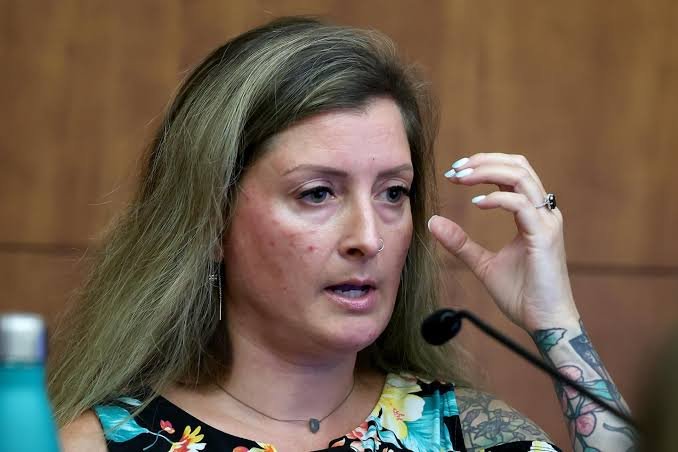
The courtroom became visibly tense when Dr. Barbara Olson, a medical examiner with the Massachusetts Office of the Chief Medical Examiner, began explaining the findings from the autopsies of Cora and Dawson. Prosecutors displayed photographs documenting injuries to the children, while another medical examiner, Dr. Renee Stonebridge, discussed evidence associated with the effects of asphyxiation.
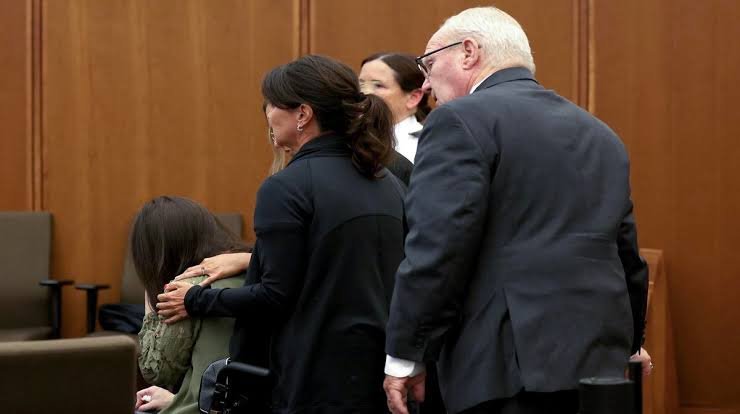
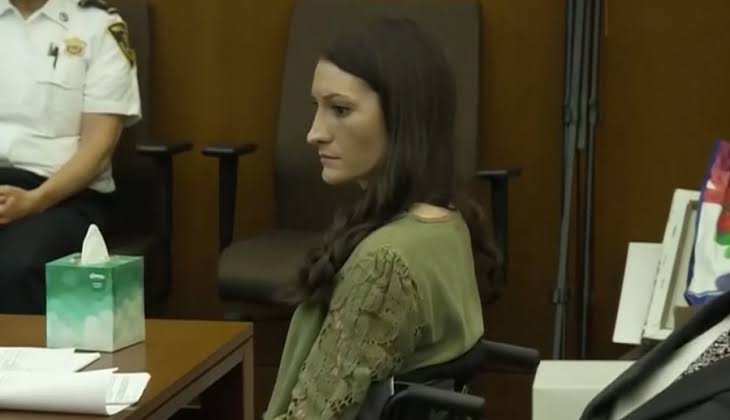
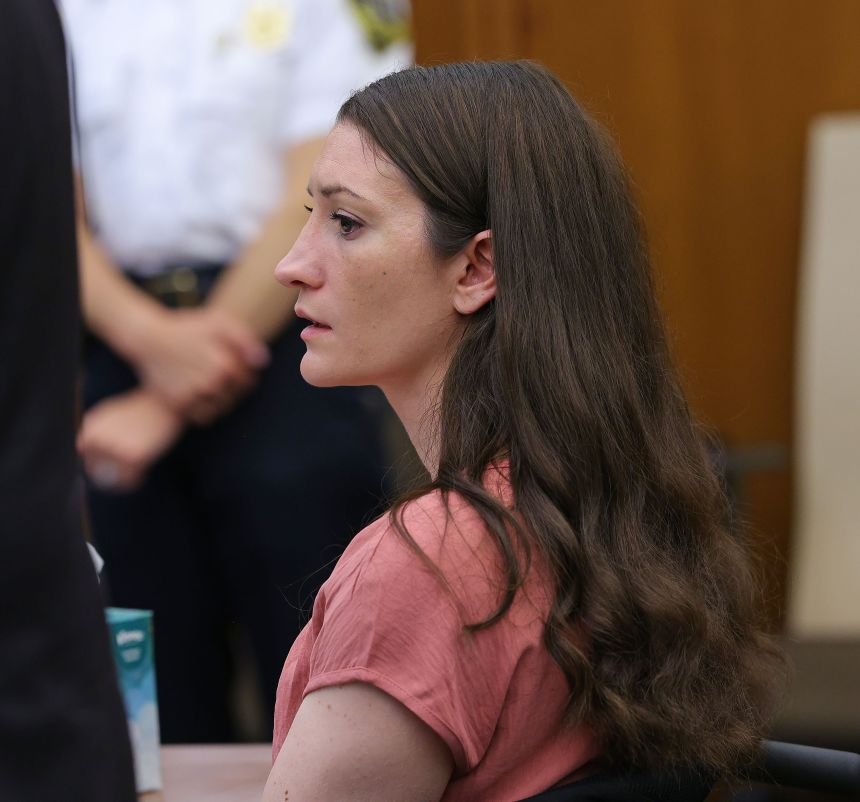
Clancy covered her face with her hands and began sobbing as the testimony continued. At one point, her distress became so intense that she cried out that she could not continue listening. Her breathing became rapid, and Judge William Sullivan temporarily halted the proceedings to allow her to regain her composure. The judge also excused the jury during portions of the testimony.
The emotional reaction was not limited to Clancy. The testimony was difficult for people throughout the courtroom, with reports that at least one juror became visibly emotional while viewing the evidence. Judge Sullivan reminded jurors that although the evidence could naturally provoke strong feelings, their eventual decision must be based on the facts presented in court rather than sympathy, anger or other emotional responses.
The medical testimony focused on the physical evidence surrounding the children’s deaths. Olson testified that Cora and Dawson died from asphyxiation caused by manual strangulation. The examination also revealed injuries consistent with the effects of strangulation. Another medical examiner explained that the brain can suffer irreversible damage after several minutes without oxygen, emphasizing the seriousness of the injuries described to the jury.
Testimony concerning Callan, the youngest child, had already been presented earlier in the trial. Medical evidence indicated that the eight-month-old also died from complications associated with asphyxiation.
Prosecutors have argued that the forensic evidence is important because they want jurors to understand the nature and severity of what happened to the children. Although both sides have agreed that certain basic facts surrounding the deaths do not require every detail to be independently proven through testimony, prosecutors have continued presenting medical evidence to support their argument concerning the manner and circumstances of the killings.
The defense did not challenge the medical examiners aggressively during this portion of the proceedings. Instead, much of the defense’s broader strategy has focused on what was happening inside Clancy’s mind during the months leading up to January 24, 2023.
That question has become the central issue of the trial.
Clancy’s attorneys argue that she was suffering from postpartum psychosis, a severe psychiatric condition that can cause hallucinations, delusions and a profound break from reality. They say her mental health deteriorated dramatically following the birth of her children and that a complicated series of medications may have worsened her condition.
The defense has pointed to Clancy’s repeated efforts to obtain psychiatric treatment before the killings. Court testimony has shown that she experienced depression, anxiety, severe insomnia, emotional numbness and intrusive thoughts. Her lawyers have argued that she repeatedly sought help but that the healthcare system failed to recognize the severity of what was happening.
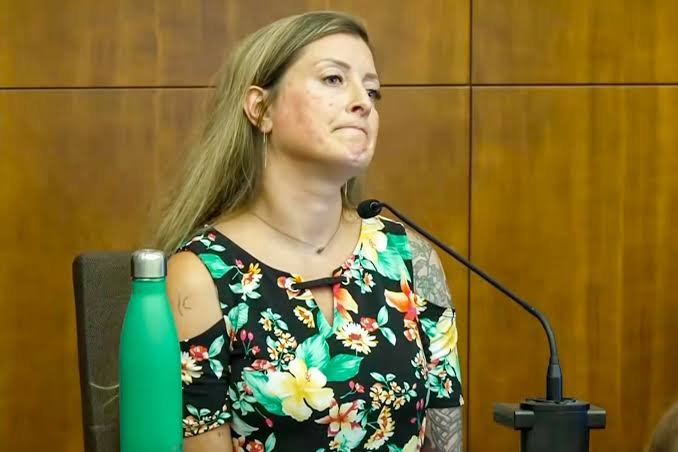
One of the witnesses on Wednesday was Latiesha Dukes, a mental health counselor who worked with Clancy at a perinatal clinic. Dukes testified that Clancy had reported intrusive suicidal thoughts and significant anxiety during their treatment. However, Dukes said Clancy did not display obvious signs of psychosis or mania during their sessions.
The defense questioned Dukes about the difference between the clinical notes she recorded and the broader conversations that may have taken place during appointments. Attorney Kevin Reddington pointed to a December 19, 2022, note in which Clancy was described as laughing and appearing to be in better spirits, while other portions of the same record described continuing depression and emotional numbness.
Dukes explained that medical notes are summaries and do not necessarily contain every detail discussed during an appointment. She also acknowledged that Clancy appeared to be sincerely seeking assistance and was experiencing significant emotional distress.
That testimony is important because the prosecution has repeatedly argued that Clancy’s behavior before the deaths was inconsistent with the complete loss of reality that would support an insanity defense. Prosecutors have highlighted evidence showing that she was able to communicate normally, arrange activities and make decisions in the period leading up to the killings.
The defense counters that psychiatric illness does not necessarily eliminate every organized or rational behavior. Someone experiencing psychosis can still perform ordinary tasks, communicate with others and appear composed at certain moments, according to the broader psychiatric argument being presented by the defense.
The question for the jury is therefore more complicated than simply determining whether Clancy was mentally ill.
They must ultimately decide whether her mental condition was severe enough to make her legally not responsible for the deaths under Massachusetts law.
That distinction has shaped virtually every major stage of the trial.
Clancy’s mental health treatment before the killings has received extensive attention. Multiple medical professionals have testified about her struggles with anxiety, depression and insomnia, as well as the medications she was prescribed. Her defense has argued that different providers were not adequately coordinating her care and that Clancy may have been taking a dangerous combination of psychiatric medications.
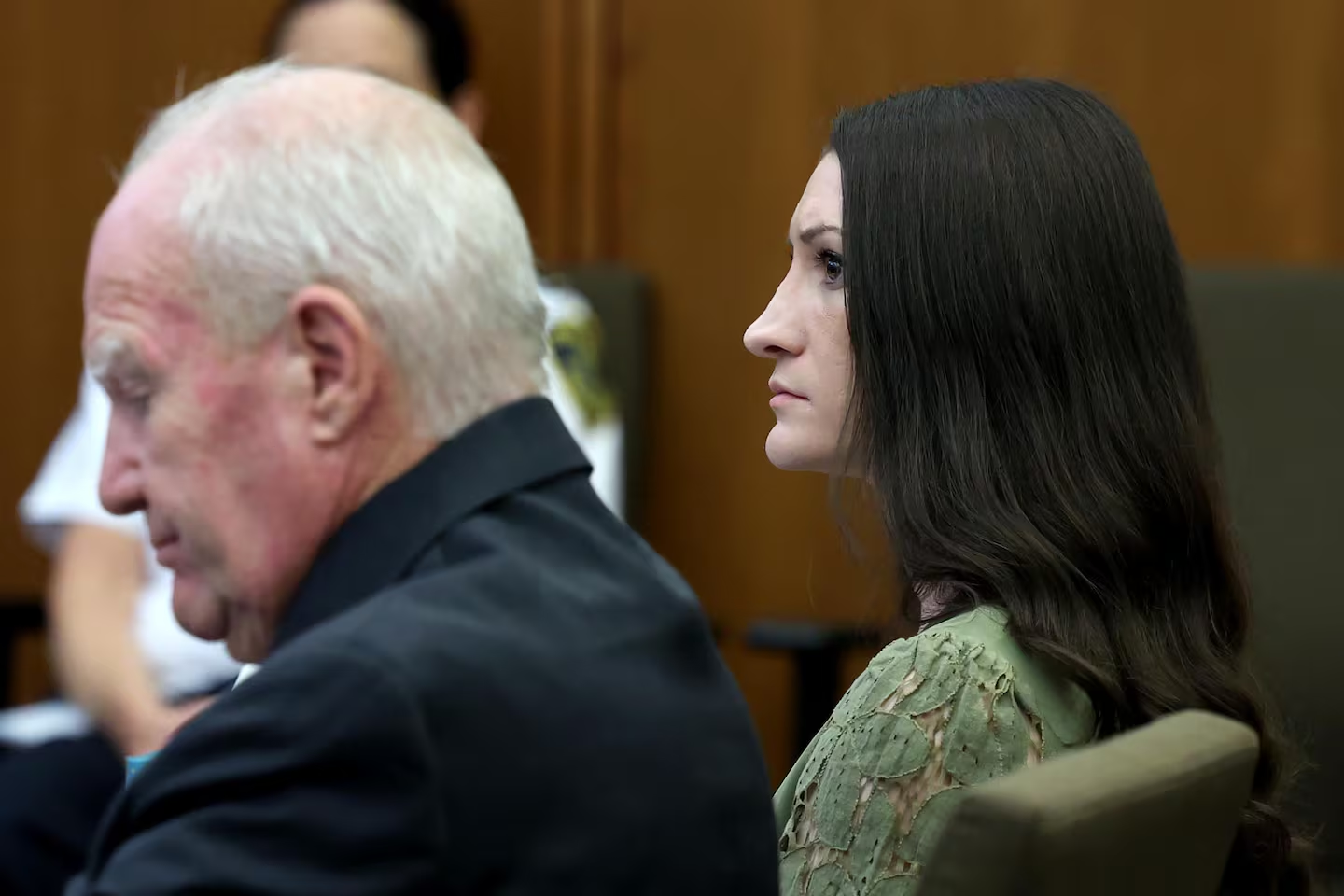
The prosecution has challenged that interpretation and has emphasized that several medical professionals who interacted with Clancy before the killings did not observe signs that she was experiencing psychosis.
Earlier testimony from psychiatrist Dr. Jennifer Tufts also revealed that Clancy had denied suicidal or homicidal thoughts during her final appointment with the doctor before the children died. Tufts nevertheless acknowledged that Clancy had been experiencing depression, hopelessness and emotional difficulties in the months before the tragedy.
The defense later questioned Tufts about information she did not know at the time, including the fact that Clancy had contacted a suicide hotline twice. Tufts testified that she was surprised to learn about those calls.
Other witnesses have described Clancy’s difficulties with sleep and medication. Psychiatric nurse practitioner Julie Paul testified that Clancy had reported feeling overwhelmed and struggling to sleep. Clancy had also expressed concerns about medication side effects and about feeling disconnected from her life and her children.
The prosecution’s case has increasingly focused on evidence suggesting that Clancy’s actions were deliberate.
Court proceedings have included testimony and evidence concerning her internet searches before January 24, 2023. Investigators found searches relating to postpartum depression, psychosis, schizophrenia, hallucinations and various medications. Other searches presented in court involved suicide methods and other disturbing subjects.
Prosecutors argue that the search history demonstrates preparation and awareness. The defense has maintained that the same evidence can be interpreted differently, arguing that someone experiencing a severe psychiatric crisis might search for information about the symptoms and conditions they were experiencing.
The prosecution has also presented evidence about the events immediately preceding the killings. According to the state’s theory, Clancy arranged for her husband, Patrick Clancy, to leave the house to pick up food and medication. Prosecutors argue that this gave her an opportunity to carry out the killings while she was alone with the children.
After Patrick returned home, he discovered the children unresponsive and Lindsay severely injured following an apparent suicide attempt. Clancy survived the attempt but suffered injuries that left her paralyzed from the waist down.
The defense has argued that the suicide attempt is consistent with its claim that Clancy was experiencing a profound psychiatric crisis. Prosecutors have questioned whether every aspect of the scene and Clancy’s actions should automatically be interpreted as evidence of psychosis.
As the prosecution’s presentation continues, the jury is being asked to consider two competing explanations for the same tragedy.
The defense portrays Clancy as a desperately ill mother who had been asking for help while her condition deteriorated. Her attorneys have highlighted medication changes, sleeplessness, intrusive thoughts, emotional detachment and her repeated contacts with healthcare professionals.
Prosecutors portray a different picture: a woman who was experiencing emotional difficulties but who nevertheless retained the ability to plan, communicate and make deliberate decisions. They argue that her actions on the day of the killings were purposeful and that the evidence does not meet the legal threshold for an insanity defense.
The testimony about the children’s autopsies adds another painful dimension to the case. For much of the trial, jurors have heard about Clancy’s mental health and treatment history. Wednesday’s proceedings shifted the focus back toward the three children themselves and the physical consequences of what happened.
Judge Sullivan recognized how emotionally difficult the evidence could be. Before the photographs were displayed, he reminded jurors that emotional reactions are natural but cannot determine their verdict. Their responsibility, he said, is to evaluate the evidence objectively and follow the law.
The trial is now well into its third week and continues to attract national attention because of the extraordinary conflict between the two sides’ explanations of Clancy’s state of mind.
There is no dispute that three young children died inside their home. There is also no dispute that Clancy survived an apparent suicide attempt immediately afterward. The central legal question is whether she was criminally responsible for those deaths at the time they occurred.
That question will eventually be decided by the jury after hearing evidence from medical professionals, law enforcement officers, mental health specialists and other witnesses.
The emotional courtroom scenes surrounding the autopsy testimony are unlikely to be the final major moment of the trial. Additional evidence concerning Clancy’s mental state, her medical treatment and her actions before and after January 24, 2023, is expected to remain central as the proceedings continue.
For the families involved, however, the legal arguments cannot separate the case from the lives of the three children who died. Cora, Dawson and Callan were at the center of a family tragedy that has now become the subject of a highly publicized murder trial.
For Clancy, the proceedings represent an attempt to persuade the jury that her actions were the result of a profound psychiatric illness rather than conscious criminal intent.
For prosecutors, the goal is to demonstrate that the evidence shows planning, awareness and responsibility.
And for the jury, the task will ultimately be to determine which interpretation is supported by the evidence and the law.
The courtroom may continue to hear deeply disturbing testimony in the days ahead, but the final question will remain unchanged: was Lindsay Clancy legally responsible for the deaths of her three children, or was she so severely affected by mental illness that she could not be held criminally responsible for what she did?
That decision will belong to the jury.