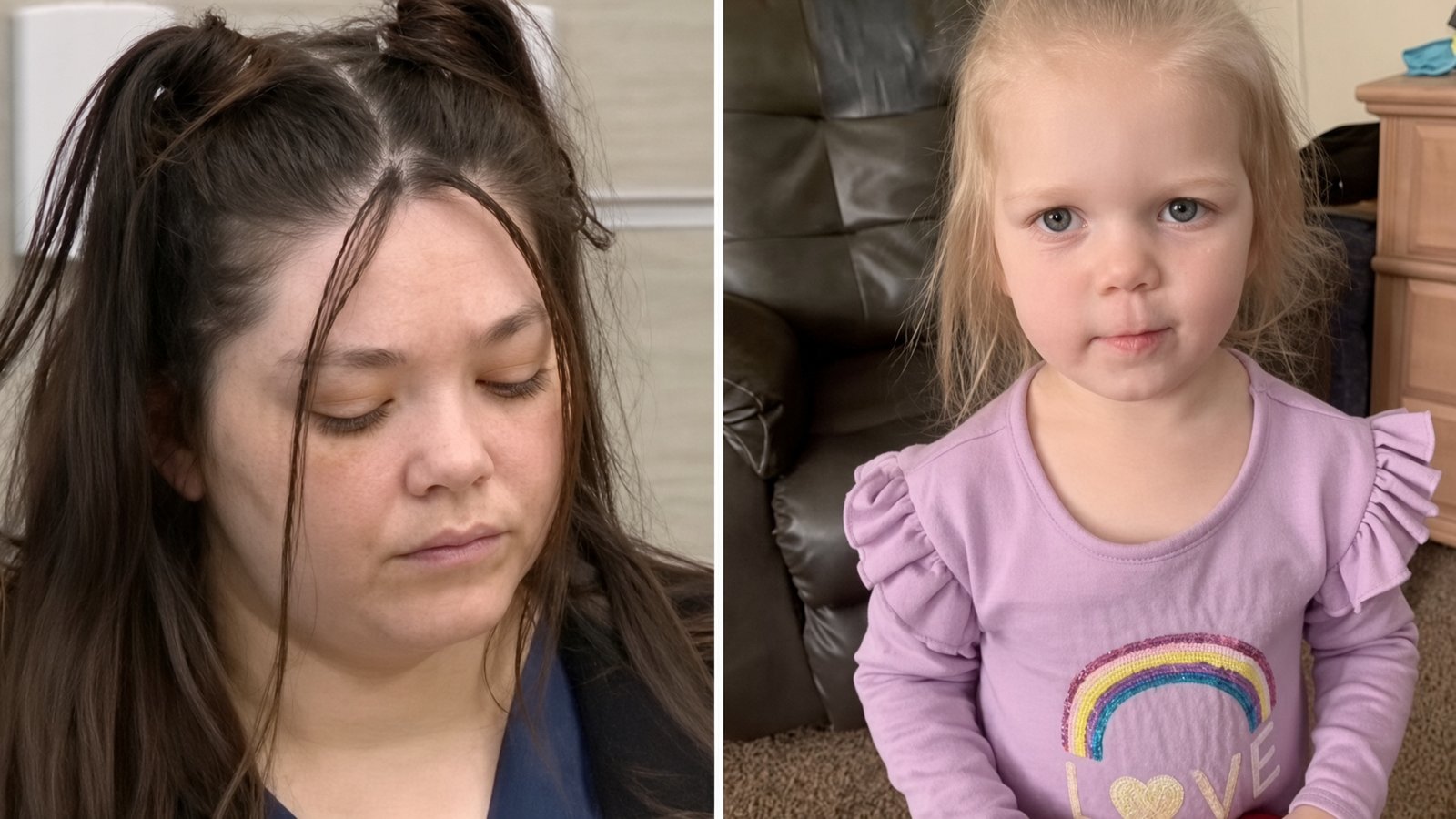
More than two years after 5-year-old Kinsleigh Welty was found unresponsive inside an Indianapolis home, the criminal cases involving the adults responsible for her care have now reached their final stage.
On September 24, 2026, Toni McClure, Kinsleigh’s mother, was formally sentenced to life in prison without the possibility of parole.
Her mother, Tammy Halsey, Kinsleigh’s grandmother, received a 20-year prison sentence after previously pleading guilty to neglect of a dependent resulting in serious harm and agreeing to cooperate with prosecutors.
The sentencing marked the latest chapter in a case that has remained in the public spotlight since April 2024, when emergency responders were called to a home on Denver Drive in Indianapolis.
Kinsleigh was only 5 years old.
Investigators later determined that she had suffered from severe malnutrition, and evidence presented during the criminal proceedings described a long period in which the child was not receiving the care she needed.
The case ultimately expanded beyond one defendant.
McClure’s former boyfriend, Ryan Smith, was also prosecuted after investigators determined that he was aware of the circumstances surrounding Kinsleigh’s treatment but did not intervene.
Smith previously pleaded guilty to neglect of a dependent resulting in serious harm and received a 20-year prison sentence.
With McClure and Halsey sentenced on September 24, all three adults prosecuted in connection with the case have now received prison terms.
A jury had already made its decision
McClure’s sentence was handed down after a lengthy court process.
Earlier in September, a Marion County jury found her guilty of murder, criminal confinement and battery involving a child under 14.
The jury later recommended life imprisonment without the possibility of parole.
Judge James Snyder formally imposed that sentence during the September 24 hearing.
The judge described the case as one of the most serious matters he had encountered, noting the emotional impact the evidence had on people involved in the investigation and trial.
However, the sentencing was not simply about punishment.
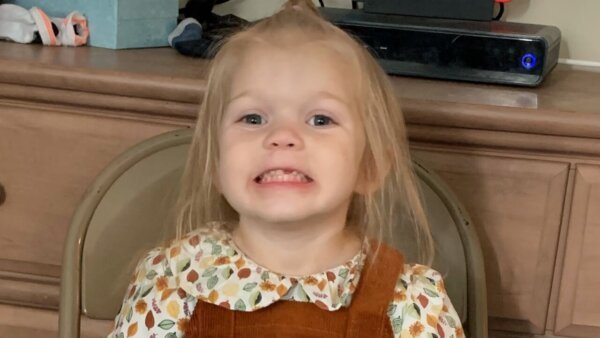
The hearing also brought attention back to Kinsleigh herself and the years of concerns surrounding her care.
Prosecutors argued that McClure had intentionally failed to provide her daughter with adequate food and had repeatedly confined her to a bedroom closet.
Evidence presented during the case indicated that the closet had been used as a place where Kinsleigh was kept for extended periods.
Investigators also found evidence suggesting that the child had been severely deprived of basic necessities.
The details became a central part of the prosecution’s case against McClure.
The grandmother’s role became part of the case too
Tammy Halsey’s case took a different path.
Rather than going through a jury trial alongside her daughter, Halsey entered a plea agreement with prosecutors in December 2025.
Under that agreement, she pleaded guilty to neglect of a dependent resulting in serious harm and agreed to testify against McClure.
In return, prosecutors agreed to a 20-year sentence.
That testimony became an important part of the prosecution’s case during McClure’s trial.
Halsey was formally sentenced to those 20 years on September 24, the same day her daughter received the life sentence.
The difference between the two sentences reflects the different charges and legal paths taken by the two women.
McClure faced the jury on the murder allegation and was convicted.
Halsey accepted responsibility through a negotiated plea and cooperated with prosecutors.

Ryan Smith also received 20 years
The case involved a third adult, Ryan Smith, who was McClure’s boyfriend at the time.
Prosecutors said Smith knew about the circumstances involving Kinsleigh but failed to step in.
Smith pleaded guilty to neglect of a dependent resulting in serious harm and was sentenced to 20 years in the Indiana Department of Correction.
His sentence began in August 2026.
That left McClure as the only defendant in the case to face a murder conviction and a life-without-parole sentence.
Questions about earlier warnings remain
Although the criminal proceedings have now concluded, the broader story surrounding Kinsleigh’s case is not necessarily over.
Her father and paternal grandfather have filed a civil lawsuit involving the Indiana Department of Child Services.
The lawsuit alleges that authorities had received multiple reports concerning Kinsleigh’s safety before April 2024 but failed to intervene effectively.
Those allegations are separate from the criminal cases against McClure, Halsey and Smith.
According to reporting based on the case history, child welfare authorities had previously received concerns involving Kinsleigh and her siblings.
The civil case could therefore examine a different question from the criminal proceedings:
Could more have been done to protect Kinsleigh before the situation reached its final crisis?
That question remains part of the continuing legal fallout surrounding the case.
The judge’s final message
During the September 24 sentencing, Judge Snyder spoke about the number of people who had encountered Kinsleigh’s situation and the responsibility they carried.
He said that many people had failed the young girl.
That comment also reflected one of the central themes that emerged throughout the proceedings.
The case was not only about what happened inside one home.
It was also about the responsibility of the adults surrounding a vulnerable child and whether those adults recognized the seriousness of what was happening.
For prosecutors, the evidence ultimately showed that Kinsleigh had been deprived of the basic care she needed.
For the jury, that evidence was sufficient to convict McClure of murder.
And for the judge, the circumstances justified the maximum available punishment of life without parole.
Remembering Kinsleigh beyond the case
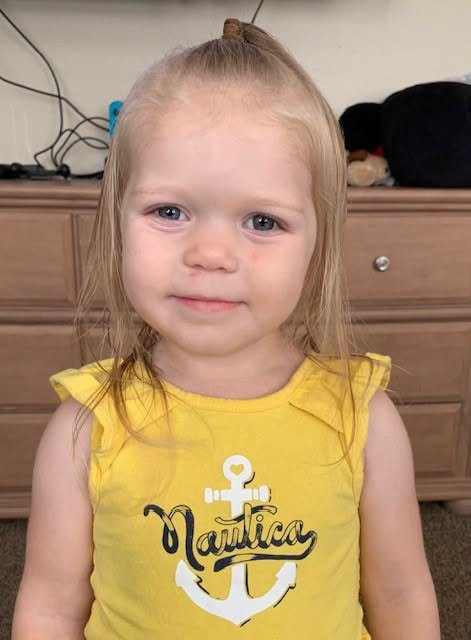
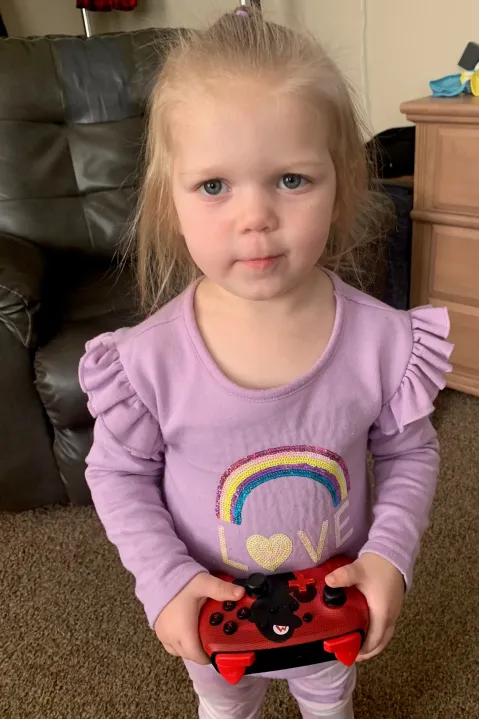
As the criminal proceedings come to an end, there is also an effort to make sure Kinsleigh is remembered as more than the subject of a difficult court case.
Prosecutors have emphasized that the young girl should be remembered for who she was rather than for the circumstances surrounding her final days.
She was a daughter, a granddaughter and a child whose life should have continued far beyond the age of five.
That message has become particularly important now that the three criminal cases are finished.
Toni McClure will spend the remainder of her life in the Indiana Department of Correction without the possibility of parole.
Tammy Halsey will serve 20 years.
Ryan Smith will also serve 20 years.
With those sentences in place, the criminal proceedings involving the three adults have reached their conclusion.
But other legal questions remain.
The civil case involving Indiana’s child welfare system could bring additional attention to the reports made before Kinsleigh’s final months and whether earlier intervention might have changed what followed.
For now, however, the courtroom phase of the criminal case is over.
The final sentence delivered on September 24 closed one of the most closely watched child-welfare cases in Indianapolis in recent years.
And while the legal record will continue to carry the names of the adults who were prosecuted, Kinsleigh’s family and those who followed the case hope the focus can ultimately return to the little girl at the center of it all — and to the importance of protecting children who may not be able to protect themselves.