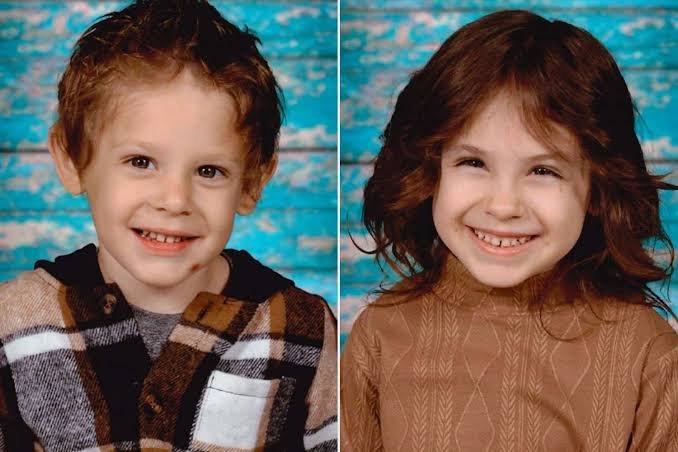
More than a year after two young siblings disappeared from their rural home in Nova Scotia, the mystery surrounding Lilly and Jack Sullivan remains unresolved, with investigators continuing to examine new information while their family holds onto hope that the children will one day be found.
Lilly Sullivan, who was six years old when she disappeared, and her four-year-old brother Jack were reported missing from their home on Gairloch Road in Lansdowne Station, Pictou County, on May 2, 2025. The disappearance immediately triggered a massive search involving police officers, search-and-rescue teams, helicopters, drones, police divers, dogs and volunteers. Despite the scale of the operation and months of investigative work, neither child has been located.
The case has remained one of the most difficult missing-child investigations in Nova Scotia in recent years. Authorities have repeatedly said they have not found evidence confirming that the children were abducted, and the investigation has not formally been classified as a criminal case. At the same time, investigators have continued to consider multiple possibilities and have not closed the door on the possibility that the circumstances surrounding the disappearance could eventually lead to a criminal investigation.
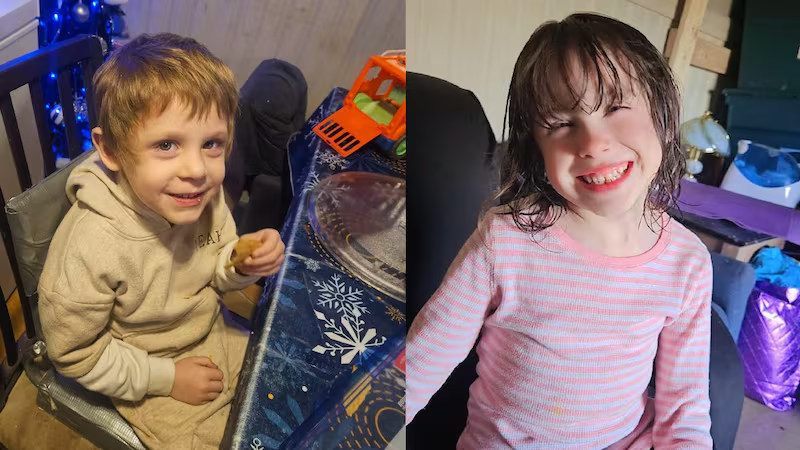
The children were last reported missing at approximately 10 a.m. on May 2, 2025. According to information released by the Nova Scotia RCMP, family members had been unable to locate them at the property and reported that they may have wandered away. A major multi-agency search began almost immediately, with dozens of ground search teams and specialized police resources deployed to the surrounding area.
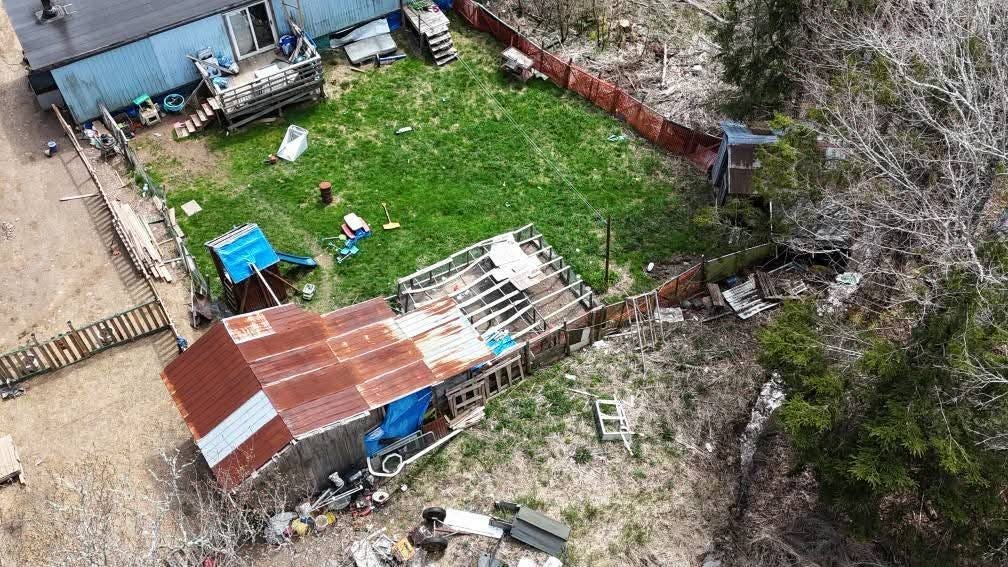
The landscape presented investigators with a difficult challenge. The family home was located in a rural area surrounded by dense woods and difficult terrain. Search teams covered extensive areas around the property, while aircraft and drones were used to examine locations that were difficult to reach on foot. Police divers were also involved, and cadaver dogs were brought in as investigators attempted to locate any physical evidence that could explain where the children went.
Despite those efforts, the search produced very little conclusive evidence. Investigators reported finding some footprints and pieces of a pink blanket believed to belong to Lilly, but there was no discovery that established where the children went after they disappeared.
As the investigation continued, authorities expanded their examination beyond the immediate search area. Police reviewed thousands of video files and sought search warrants for digital devices and other material that investigators believed could potentially help reconstruct the children’s movements. By early 2026, the RCMP said investigators had received more than 1,100 tips and were still working through a large number of investigative tasks.
In April 2026, the RCMP publicly marked the one-year anniversary of the disappearance by appealing specifically for fact-based and verifiable information. Investigators said they had interviewed more than 100 people, searched more than 40 kilometres of terrain and continued to examine information submitted by members of the public.
The police appeal was significant because investigators were attempting to separate useful information from speculation that had accumulated online during the long investigation. Authorities emphasized that they needed people with firsthand knowledge or specific information that could be independently verified rather than theories circulating on social media.
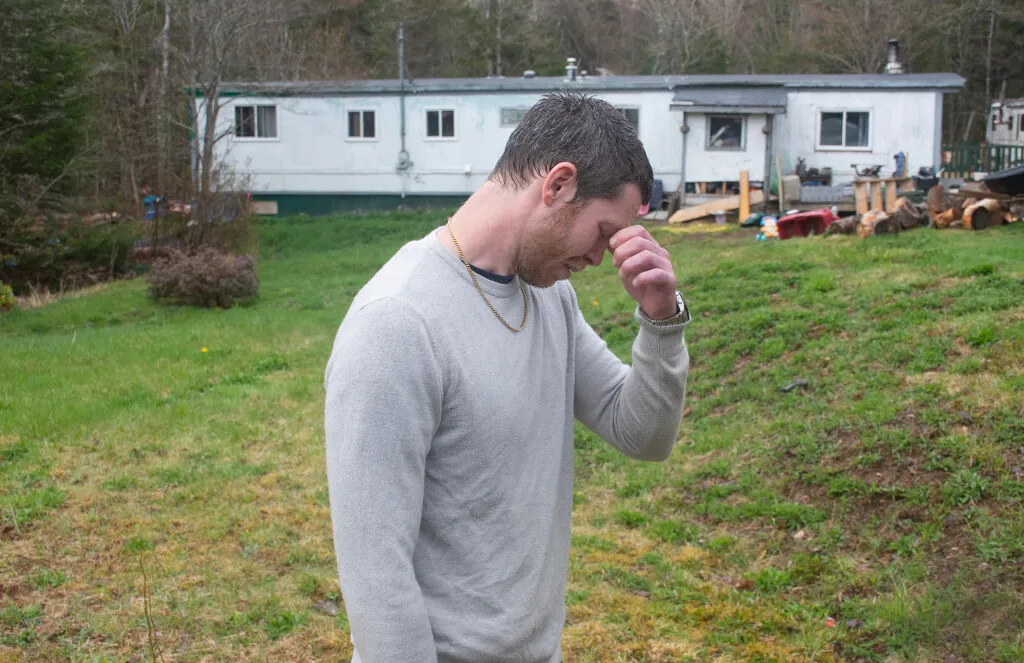
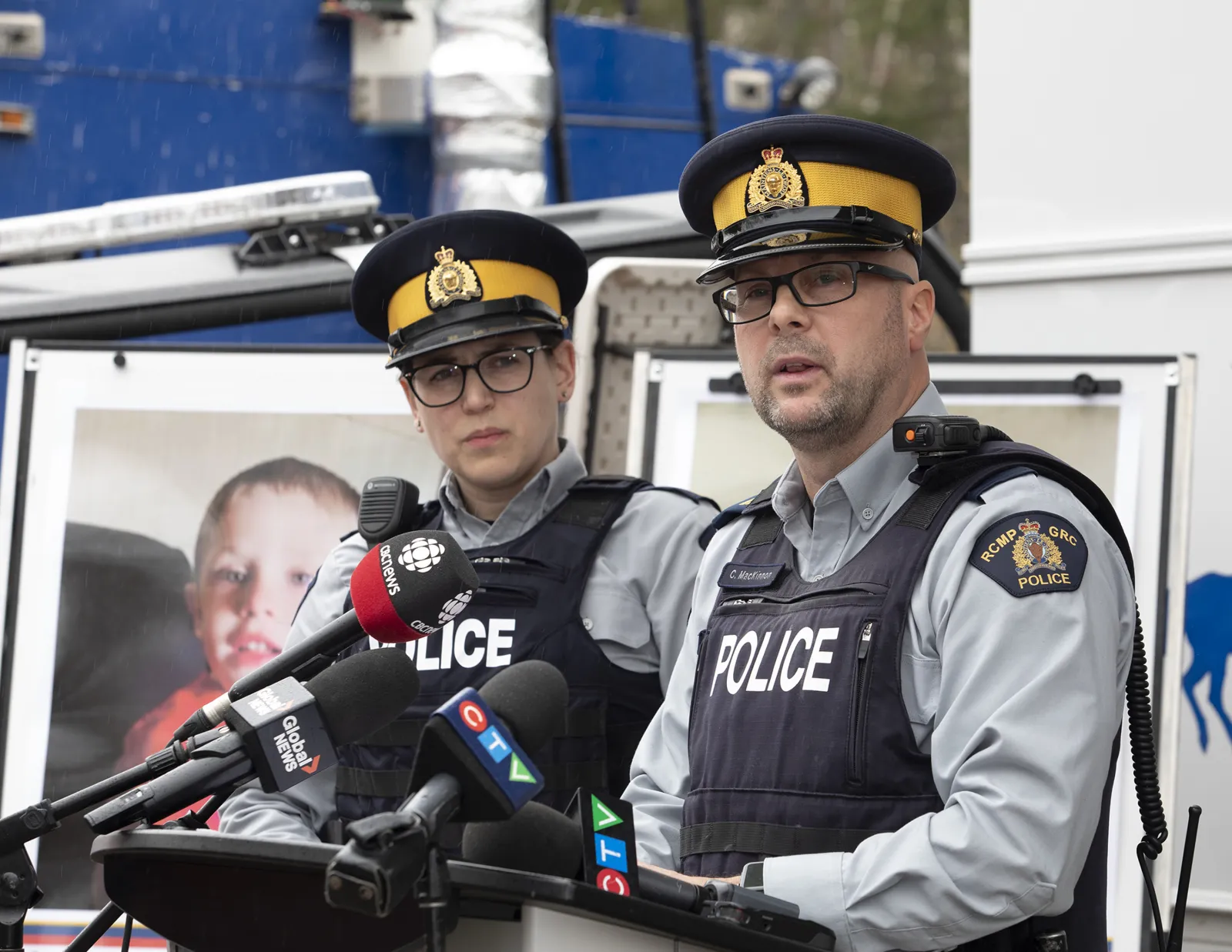
Staff Sgt. Rob McCamon, who has overseen the major-crime investigation, has repeatedly said investigators remain committed to determining what happened to the children. He has also acknowledged the painful reality facing the family, saying that investigators believe the chances of Lilly and Jack being alive are very slim, while stressing that the search for answers has not ended.
The case has also generated questions about the circumstances inside the family home during the period immediately before the children disappeared. Court documents released during the investigation contained allegations concerning the relationship between the children’s mother, Malehya Brooks-Murray, and her former partner, Daniel Martell. According to those documents, Brooks-Murray told investigators that Martell had at times physically restrained her and had taken her phone when she attempted to contact her mother. Martell has denied allegations of physical violence and provided investigators with a different account of the relationship.
Police have been careful not to identify any family member as a suspect in the children’s disappearance. When asked about whether family members were being investigated, the RCMP said investigators were continuing to gather information and would make decisions based on evidence. The nature of the relationship between Brooks-Murray and Martell at the time of the disappearance has nevertheless remained part of the broader investigative picture.
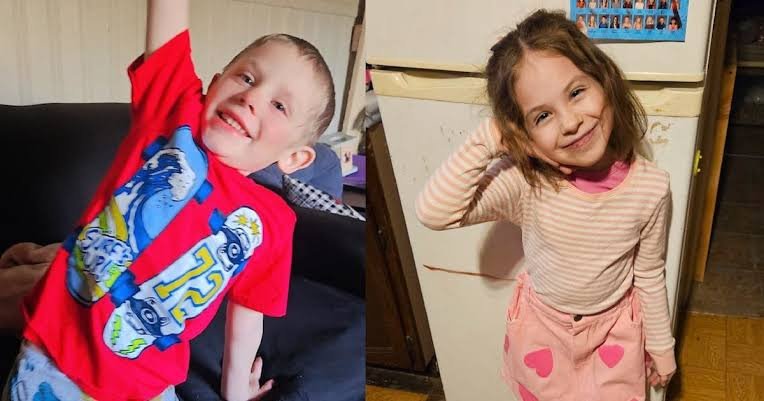
The family circumstances have attracted considerable attention because Lilly and Jack disappeared from a home in an isolated rural setting, where there were relatively few obvious witnesses. Investigators have attempted to reconstruct the children’s movements during the hours before they were reported missing, including examining surveillance footage from surrounding communities and locations.
One important part of the timeline concerns May 1, the day before the disappearance. According to police records reported by The Canadian Press, Lilly and Jack were seen together with family members during the afternoon. Surveillance footage reportedly captured the children at a store in New Glasgow that afternoon, providing investigators with an independently documented point in the timeline.
Later that night, the children were reportedly put to bed. The following morning, family members said they could hear the children inside the home before they were discovered to be missing.
Their mother has described the heartbreaking moment when she realized something was wrong. She has said she last saw Lilly briefly enter her bedroom and later heard Lilly and Jack playing together. She then fell asleep and, when she woke up, the children were gone.
For Brooks-Murray, the passage of time has not made the uncertainty easier. In an interview published in August 2026, she said she remains frustrated by the lack of answers and believes she deserves clearer information about what investigators are doing to find her children. She continues to hope that Lilly and Jack will come home, despite the enormous amount of time that has passed.
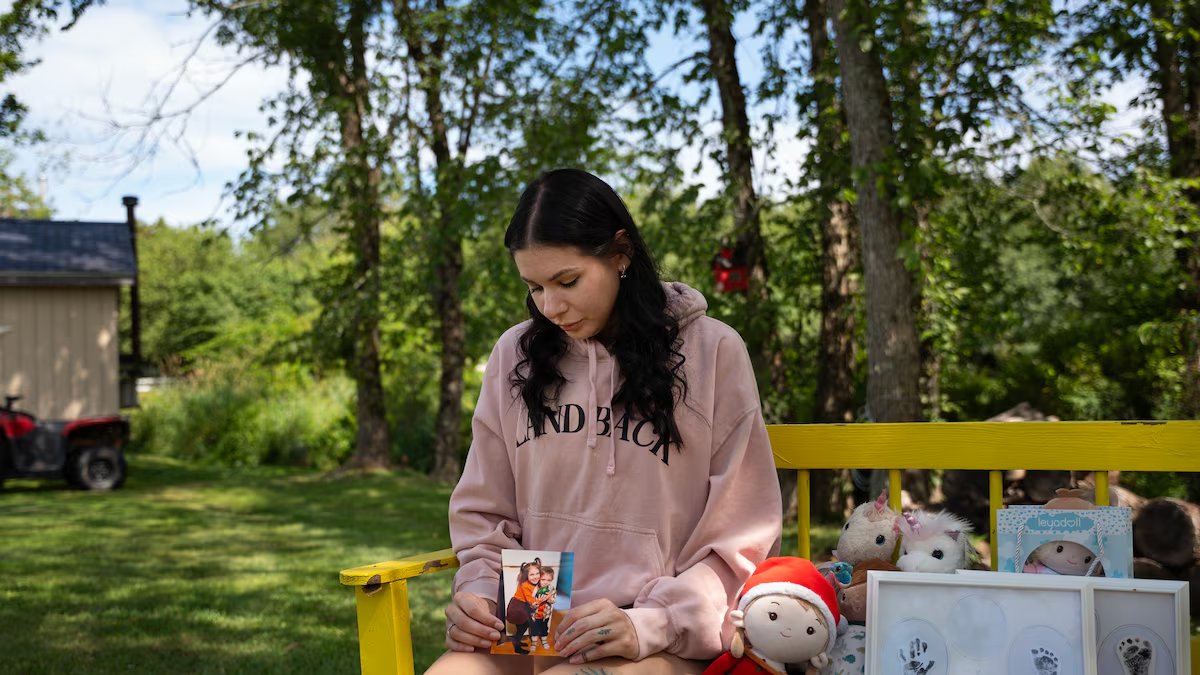
She has also found ways to keep their memory visible. She has created artwork and keychains featuring the children’s faces and has participated in public events to raise awareness of their disappearance. At home, she continues to keep some of their favorite belongings close to her, including stuffed animals that belonged to Lilly and Jack.
The emotional toll has extended far beyond the immediate family. The disappearance has drawn volunteers from across Nova Scotia and beyond, with search groups returning to areas around the children’s former home even after the official large-scale search operations ended.
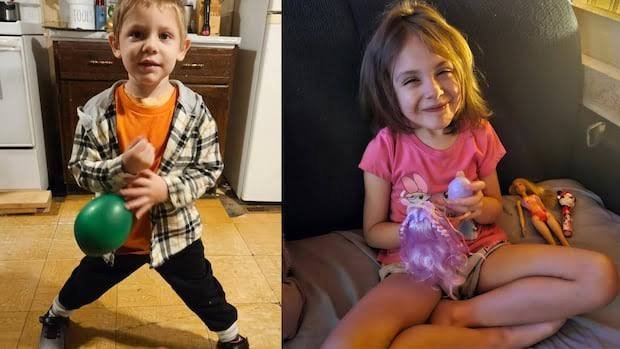
One volunteer effort in 2026 produced renewed attention when a child-sized boot print was reportedly discovered during a search near the property. However, individual discoveries made by volunteers have not automatically been confirmed by police as evidence connected to Lilly or Jack. Investigators have repeatedly stressed the importance of verifying information before drawing conclusions.
That distinction has become particularly important because the case has generated a large amount of speculation. Numerous theories have circulated online regarding possible abduction, family involvement, vehicles seen in the area and alleged sightings of the children. Authorities have repeatedly urged the public to provide concrete information instead of speculation.
The RCMP has also said that the investigation remains active and comprehensive. Officers from Nova Scotia and other parts of Canada have assisted, while national organizations including the National Centre for Missing Persons and the Canadian Centre for Child Protection have also been involved.
The Province of Nova Scotia continues to offer a reward of up to C$150,000 for information about the disappearance of Lilly and Jack. Officials hope the financial incentive may encourage someone who has information but has not yet contacted police to come forward.
The investigation has now reached a stage where the passage of time itself has become one of the greatest challenges. Physical evidence can deteriorate, memories can change, and witnesses may forget important details. At the same time, investigators have access to technology that was not available during earlier missing-person investigations, including increasingly sophisticated analysis of digital records, video footage and other electronic evidence.
Police have therefore continued to review old information alongside new tips rather than simply treating the case as closed. Every new piece of credible information must be compared against the existing timeline to determine whether it can help explain where Lilly and Jack went.
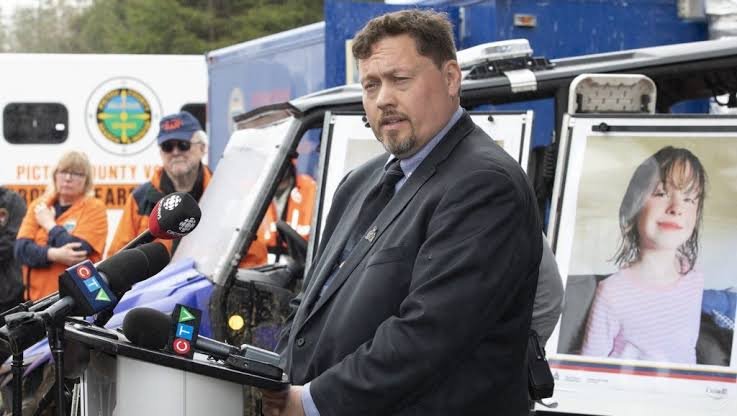
Despite the enormous amount of work already carried out, one crucial question remains unanswered: how could two children disappear from a rural property without investigators being able to establish what happened to them?
That question has haunted the family for more than a year.
There has been no confirmed discovery of the children, no publicly identified suspect and no official determination that an abduction occurred. Authorities have also not publicly established that a crime took place. The case remains formally a missing-person investigation, although investigators have said all scenarios continue to be considered.
For Brooks-Murray, however, the investigation is not simply a police file. It is the unresolved disappearance of her two children.
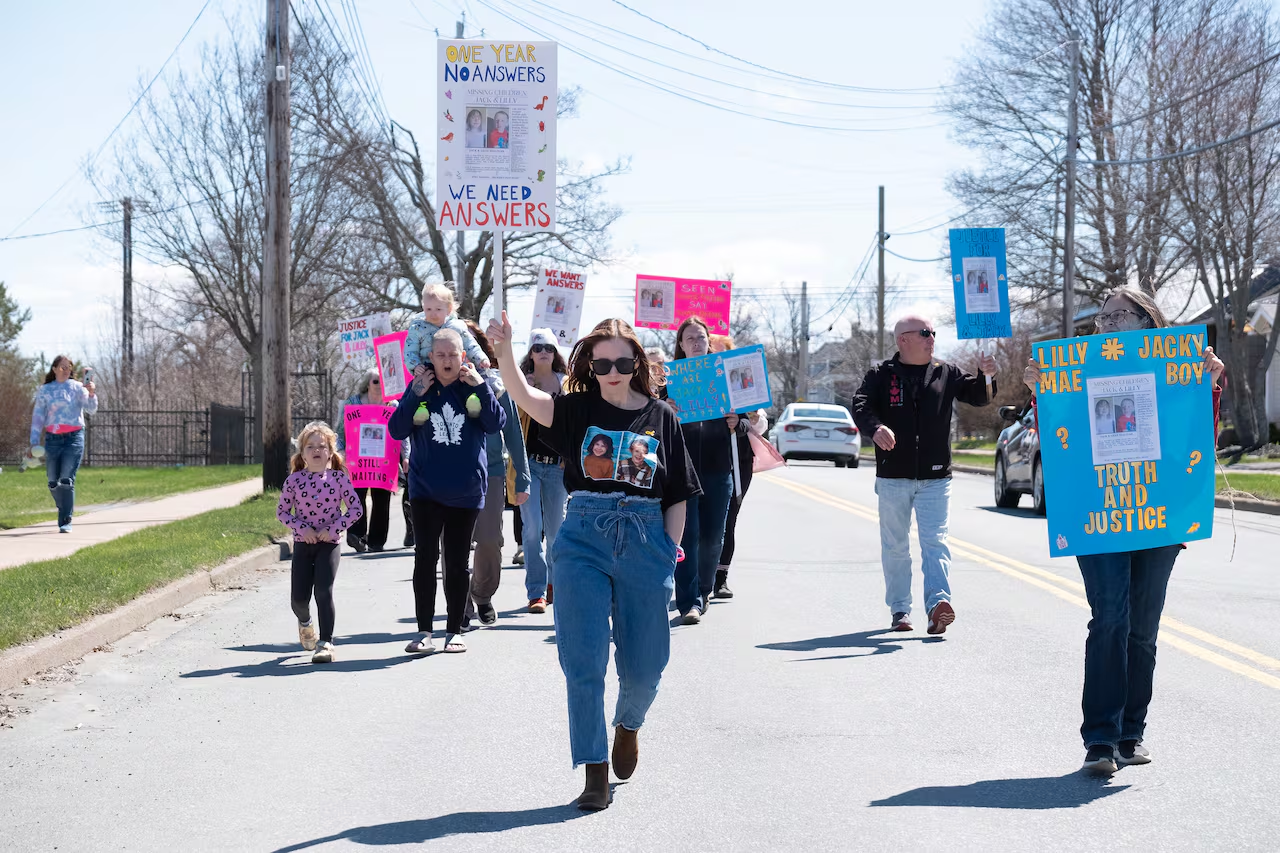
She continues to believe they can be brought home.
More than a year after Lilly and Jack vanished, their faces remain on missing-person posters and public appeals across Nova Scotia. Their names continue to be circulated in the hope that someone, somewhere, knows something that could finally break the case open.
The RCMP says it still wants answers just as much as the family does. Investigators are asking anyone with specific, factual and verifiable information to come forward, even if they believe the information may seem insignificant.
Sometimes, the smallest detail can become the piece that changes an investigation.
For Lilly and Jack Sullivan’s family, that piece has not yet been found.
Until it is, the search continues.