Five siblings who were adopted by a West Virginia couple have received a $4.4 million settlement from the state following allegations that child welfare officials failed to adequately respond to repeated warnings about their living conditions.
The settlement, approved by a Kanawha County judge, brings a major new development to a case that first came to public attention in 2023, when authorities discovered the children living in extremely poor conditions at a property in Sissonville.
At the time, the siblings ranged in age from 6 to 16.
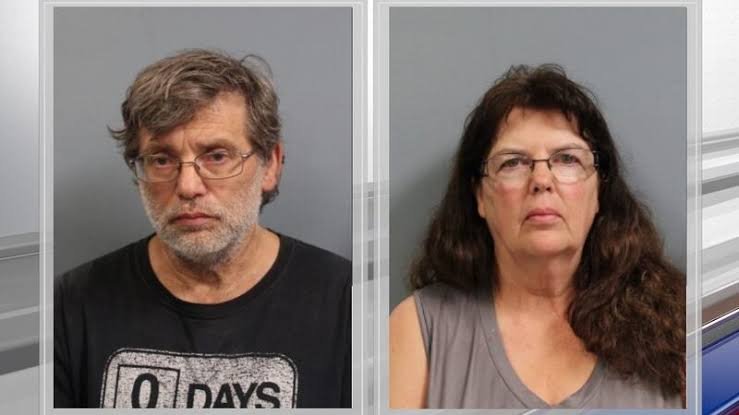
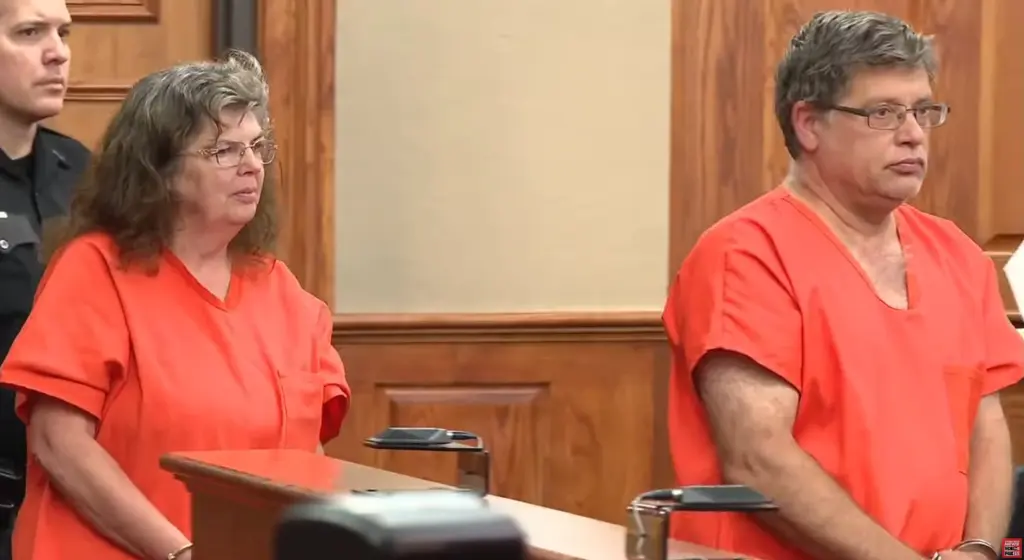
The case had already resulted in lengthy prison sentences for their adoptive parents, Jeanne Kay Whitefeather and Donald Lantz. Now, the focus has shifted toward a different question: whether the state’s child protection system could have intervened earlier.
According to reporting from West Virginia Watch, the children sued the state’s Department of Human Services after alleging that Child Protective Services had received multiple reports about their welfare but did not take sufficient action.
A Kanawha County judge approved the $4.4 million settlement last week. The amount represents the maximum compensation available from the state under the applicable limits, according to reports.
The settlement will be divided among the five siblings.
Their attorney, Dante diTrapano, said the agreement gives the children an opportunity to rebuild their lives and experience a more normal childhood after years of circumstances that he described as deeply harmful.
The Investigation Began With A Neighbor’s Call
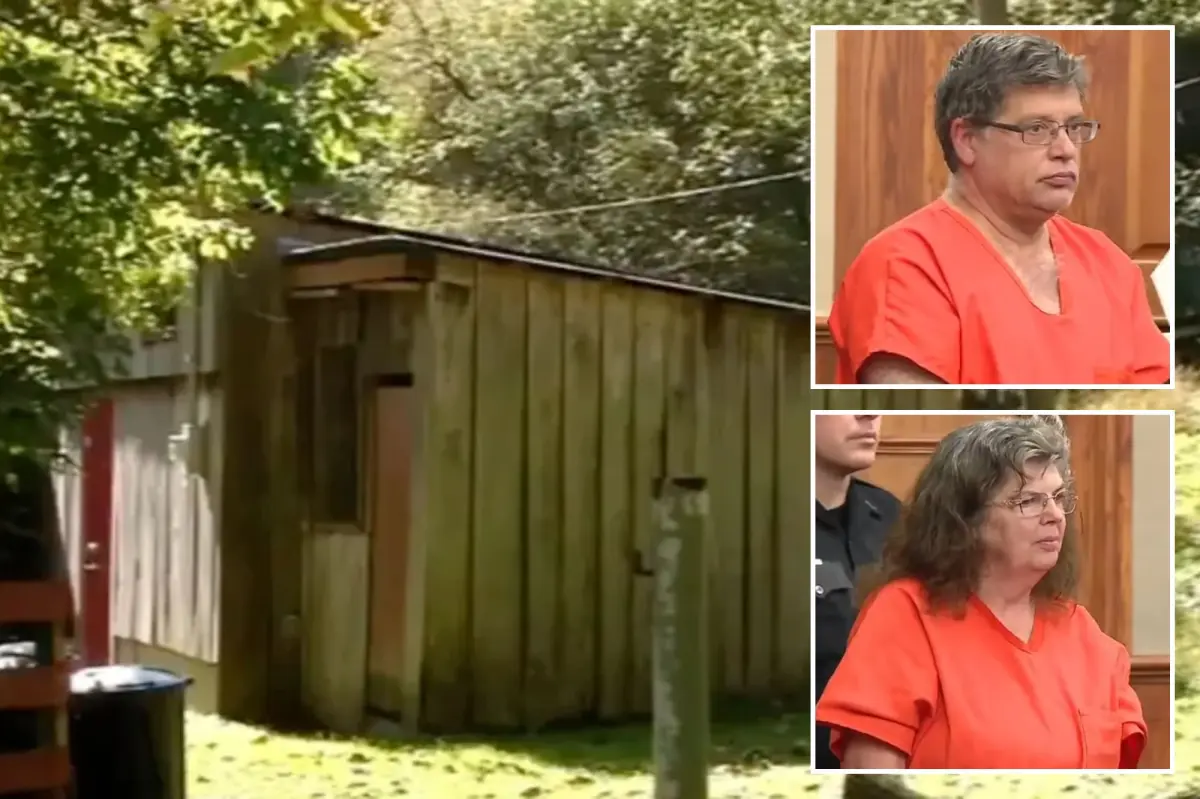
The situation came to light in October 2023 after a neighbor contacted authorities with concerns about children allegedly being confined inside a shed on the couple’s property.
When deputies arrived, they found two teenagers inside the structure.
According to investigators, the shed had no regular lighting or running water and did not have a conventional bathroom. A small RV-style toilet was reportedly present.
The teenagers told authorities they had been kept inside the structure for extended periods.
Investigators also learned that the children were expected to perform work around the property, including farm-related tasks.
What authorities discovered eventually led to criminal charges against both adoptive parents.
The investigation raised broader concerns because the children had reportedly been living under those conditions for some time before authorities finally intervened.
Questions About Earlier Reports
The civil lawsuit involving the state focuses on what happened before the children were removed from the property.
According to West Virginia Watch, neighbors had made multiple reports to CPS about concerns involving the children.
The state’s records reportedly contained notations concerning the family, but attorneys for the siblings said they could not find documentation showing that CPS had made adequate contact with the children despite the warnings.
Their attorney said there had been numerous calls from people in the surrounding community, but only limited follow-up.
One of the most significant questions involved how those visits were conducted.
During the criminal proceedings against Whitefeather and Lantz, it emerged that a CPS worker had left a card at the family’s home.
The children were also reportedly interviewed at one point, but their attorney said the interview took place within earshot of the adoptive parents.
That detail has become particularly important in the civil case because children may be reluctant to describe what is happening when the adults they depend on are nearby.
The Adoptive Parents Were Sentenced
The criminal case against Whitefeather and Lantz proceeded separately from the lawsuit against the state.
The couple were convicted after prosecutors presented evidence that the children had been subjected to forced labor and severe mistreatment.
The sentences were substantial.
Together, Whitefeather and Lantz received a combined 375 years in prison.
The criminal convictions established the responsibility of the adoptive parents, while the later lawsuit focused on whether government agencies had done enough to protect the children before authorities discovered their circumstances.
Those are two separate legal questions, but they are now connected by the settlement.
A Case That Has Raised Questions About Child Protection
The $4.4 million agreement is significant not only because of its size, but because of what it says about the state’s responsibility when repeated concerns involving children are reported.
The siblings’ attorney has criticized the state’s child welfare system and argued that changes are needed in the way reports are handled, how children are interviewed and how information is documented.
West Virginia officials have also indicated that the state has taken steps to strengthen its child protection system.
A spokesperson for Gov. Patrick Morrisey said the administration has been working to improve the Department of Human Services since taking office.
The case has also prompted lawmakers to consider whether additional legislation could help prevent similar situations in the future.
That conversation could continue well beyond this particular lawsuit.
The Community Played An Important Role
One of the most notable parts of the story is the role played by people living near the family.
Neighbors repeatedly raised concerns about the children.
Eventually, one of those calls led authorities directly to the property and to the discovery that brought the siblings to safety.
A local lawmaker praised those community members for continuing to contact authorities.
Without those reports, officials said, the situation might have continued for even longer.
That aspect of the case has become an important reminder of why people are encouraged to report concerns when they believe a child may be in danger.
The Children Are Now Starting Over
After authorities removed the siblings from the home, they were placed with new families.
Their lives have since taken a very different direction.
According to reports, some of the children have experienced symptoms associated with post-traumatic stress as they adjust to life after the years they spent with Whitefeather and Lantz.
Their new families have also shared more positive moments.
Two adoptive mothers appeared in court and spoke about the children’s lives after they were placed in new homes, including experiences such as taking a trip to the beach.
For the siblings, those ordinary experiences represent something much bigger.
They are opportunities to experience parts of childhood and family life that had previously been missing.
The Case May Not Be Over Yet
Although the $4.4 million settlement resolves the siblings’ lawsuit against West Virginia, their attorney has indicated that additional legal action may be considered.
DiTrapano has said he plans to pursue claims involving Washington state’s Department of Human Services as well.
The reason is connected to the family’s history before they moved to West Virginia.
According to reports, there had previously been child welfare concerns involving the family in Washington state. The attorney argues that officials there should have taken those reports into account before approving the family’s relocation.
That potential case would involve a different government agency and a separate set of allegations.
For now, the West Virginia settlement represents the latest major development.
A New Chapter For Five Siblings
The $4.4 million agreement cannot change what the five siblings experienced when they were younger.
But their attorney says the settlement can provide resources and stability as they continue building their lives.
The case has also raised difficult questions about how child protection systems respond when warnings come from neighbors, relatives or other members of the community.
In this situation, the first major breakthrough did not come from a routine government visit.
It came after a neighbor made another call.
That call eventually brought deputies to the property and helped begin the process of getting the children into safer homes.
Now, with the settlement approved and the criminal cases against their former adoptive parents already decided, the siblings have an opportunity to move forward.
Their story is no longer only about what happened to them.
It is also about what happens next — rebuilding trust, finding stability and creating the kind of everyday life that every child should have the opportunity to experience.