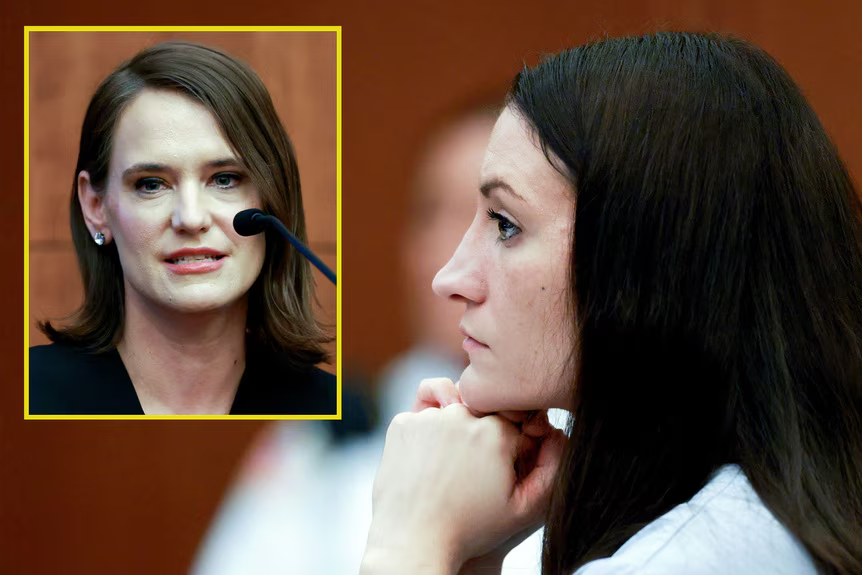
The murder trial of Lindsay Clancy has entered a critical phase as defense attorneys turn their attention toward the mental-health professionals who treated her in the months before the deaths of her three young children, arguing that serious warning signs were overlooked and that her psychiatric treatment failed to recognize the severity of her deteriorating condition.
Clancy, a former labor and delivery nurse from Duxbury, Massachusetts, is accused of killing her five-year-old daughter Cora, three-year-old son Dawson and eight-month-old son Callan at the family’s home on January 24, 2023. She has pleaded not guilty by reason of insanity. Her defense does not dispute that she caused the children’s deaths, but argues that she was experiencing severe mental illness, including postpartum psychosis and an underlying bipolar disorder, and therefore should not be held criminally responsible for her actions. Prosecutors have presented a fundamentally different interpretation, arguing that the killings were deliberate and that Clancy understood what she was doing.
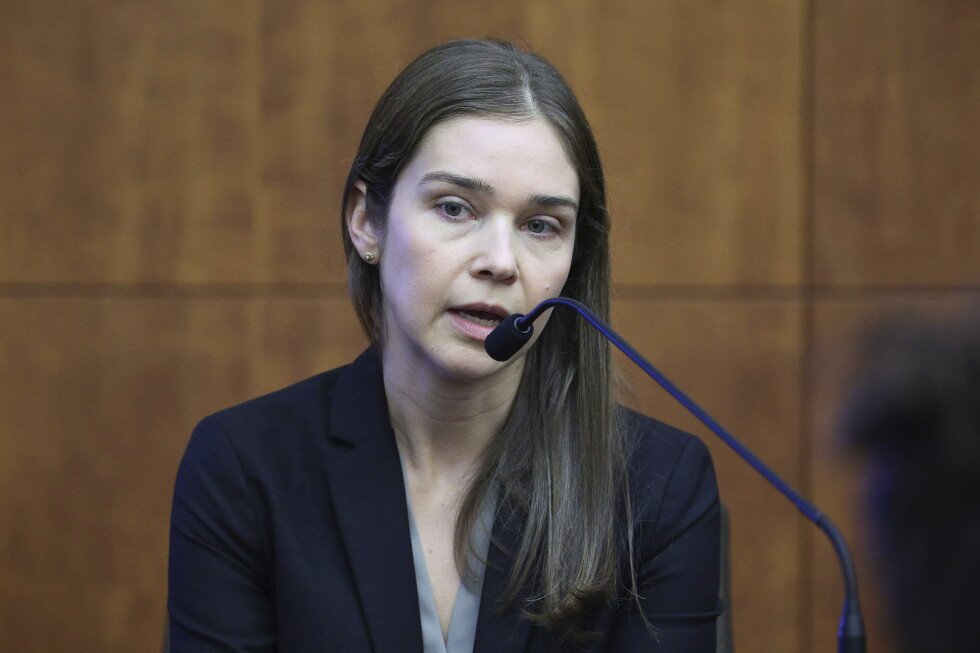
The latest testimony has placed Dr. Jennifer Tufts, a psychiatrist who treated Clancy before the killings, at the center of the courtroom battle. Tufts treated Clancy beginning in September 2022 and continued seeing her until the day before the children died. During her testimony, Tufts said she diagnosed Clancy with anxiety and adjustment disorder but did not diagnose her with bipolar disorder or postpartum psychosis. She also testified that Clancy never told her that she was hearing voices or experiencing thoughts of harming her children.
That testimony became particularly significant when defense attorney Kevin Reddington began questioning Tufts about the nature and quality of the treatment she provided. The defense attempted to establish that Clancy’s psychiatric care was inadequate at a time when her condition was becoming increasingly complicated and difficult to manage.
Reddington questioned Tufts about the relatively brief nature of some of her appointments, including video consultations that lasted approximately 25 minutes. He also challenged the way medical records were documented and questioned how frequently medications were changed during Clancy’s treatment. The defense’s broader argument is that Clancy was moving through a rapidly worsening psychiatric crisis while receiving fragmented treatment from multiple providers who did not necessarily have a complete picture of her condition.

Tufts defended her treatment and maintained that Clancy did not present the symptoms she now claims were present. She said Clancy appeared coherent during their appointments and did not report hallucinations or homicidal thoughts. At her final appointment, one day before the killings, Tufts testified that Clancy was depressed and emotionally numb but was able to function and was not reporting suicidal or homicidal intentions.
The defense, however, has pointed to other evidence suggesting that Clancy’s condition was more serious than what Tufts understood at the time.
One particularly important revelation during cross-examination was that Tufts did not know Clancy had contacted a suicide hotline twice. According to reporting from the trial, Tufts said she was surprised to learn about those calls. The defense used the information to argue that Clancy’s providers did not possess all of the information necessary to properly evaluate the level of risk she was facing.
The issue of suicidal thoughts has become a recurring theme throughout the trial. Clancy’s defense says she repeatedly experienced disturbing thoughts, hopelessness, anxiety, insomnia and feelings of detachment during the months following the birth of her youngest child. The defense contends these symptoms were warning signs of a much more serious psychiatric disorder that ultimately progressed into postpartum psychosis.
Prosecutors have challenged that interpretation. Their position is that Clancy’s behavior demonstrated planning and awareness rather than the profound loss of reality associated with psychosis. They have pointed to events immediately preceding the children’s deaths and argued that her actions were purposeful.
The competing arguments have made Clancy’s medical history one of the most important areas of evidence in the trial.
Another psychiatric provider, Rebecca Jollotta, also testified about her treatment of Clancy. Her testimony focused heavily on the medications Clancy was receiving and the extent to which different healthcare providers were communicating with one another. Jollotta acknowledged that she did not obtain a complete picture of the treatment Clancy had received from other providers, despite the fact that Clancy’s condition had become increasingly concerning.

The defense has used that testimony to suggest that Clancy’s care was fragmented. According to the defense theory, several providers were treating different aspects of her symptoms without recognizing the possibility that she was experiencing bipolar disorder or postpartum psychosis.
The medication issue has become particularly important because Clancy was prescribed numerous psychiatric medications in the months before the killings. The defense argues that some medications may have produced or intensified disturbing side effects and that the overall treatment strategy may have contributed to her deterioration rather than stabilizing her.
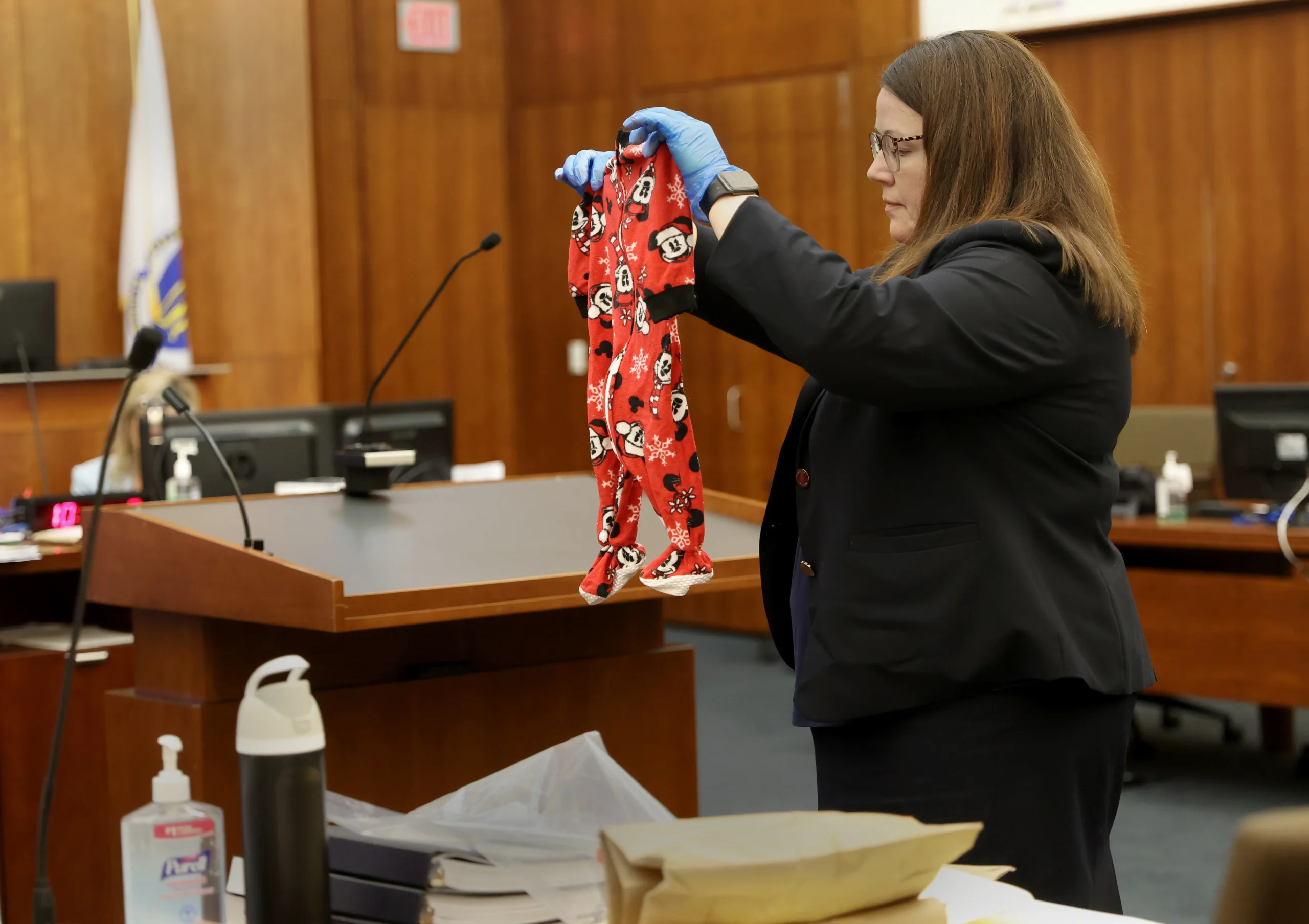
Evidence presented during the trial has shown that Clancy reported feeling detached and unlike herself while taking certain medications. One psychiatric nurse practitioner testified that Clancy described feeling “out of it” and disconnected while taking Prozac, leading to a change in medication.
Clancy also reportedly expressed concerns about becoming dependent on Ativan and described intrusive thoughts and other distressing symptoms. The defense argues that these complaints should have triggered a more comprehensive psychiatric evaluation.
The prosecution, however, has emphasized that complaints about medication side effects do not establish that Clancy was legally insane or incapable of understanding her actions. Prosecutors have urged jurors to distinguish between experiencing depression, anxiety or medication problems and suffering from a psychiatric disorder so severe that a person cannot understand the nature or wrongfulness of their conduct.
The trial has also brought renewed attention to Clancy’s own internet activity.
Investigators who examined her cellphone found searches concerning mental health and other subjects during the weeks before the killings. Among the searches disclosed in court were terms related to psychosis, hallucinations, bipolar disorder and postpartum depression. Investigators also testified about a search asking whether sociopathy could be treated.
The defense has argued that searches concerning psychosis and hallucinations could be consistent with someone desperately trying to understand disturbing symptoms. Prosecutors can point to the same evidence differently, arguing that some searches show Clancy was researching psychological conditions and was aware of the subjects she was dealing with.
That disagreement illustrates the central challenge facing the jury.
The same evidence can potentially support two dramatically different interpretations.
If Clancy was researching psychosis because she was experiencing frightening symptoms and desperately trying to understand what was happening to her, the searches could support the defense’s account. If prosecutors can demonstrate that she was researching particular subjects in a deliberate effort to plan or disguise her actions, the evidence could strengthen their case.
The prosecution has also highlighted internet searches concerning suicide and other methods. Those searches are expected to become increasingly important as prosecutors attempt to establish what Clancy was thinking before the deaths and whether her subsequent suicide attempt was genuine.
After the children died, Clancy attempted to take her own life by jumping from a second-story window. She survived but suffered catastrophic injuries and has been paralyzed from the waist down. Her survival meant that investigators were eventually able to speak with her and obtain information about her mental state, although the circumstances surrounding her statements have themselves become a subject of dispute in court.
The defense maintains that Clancy believed voices were telling her to kill her children and herself. That assertion is central to the insanity defense, but prosecutors have questioned when Clancy first reported hearing voices and whether those statements accurately reflected her mental state at the time.
The prosecution has also raised the possibility that aspects of Clancy’s post-killing behavior were inconsistent with severe psychosis. Investigators have discussed whether her suicide attempt and statements afterward should be interpreted as evidence of genuine psychiatric illness or whether some aspects of her conduct suggest she remained aware of what she had done.
The defense has strongly objected to that characterization.
The larger dispute is not simply about whether Lindsay Clancy suffered from mental illness. Both sides have acknowledged significant psychiatric difficulties in the period before the killings. The legal question is considerably narrower and more consequential: whether her mental condition at the moment of the killings was so severe that she could not understand the nature or wrongfulness of her actions.
That distinction is crucial under Massachusetts law.
The trial is therefore examining Clancy’s mental health from several different angles: her behavior at home, her communications with her husband, her interactions with medical professionals, her medication history, her internet searches, her statements to investigators and doctors, and the opinions of psychiatric experts who evaluated her after the tragedy.
The testimony from her former providers is especially important because those professionals saw her before the deaths. Their records and recollections may help jurors determine what symptoms were visible at the time and whether the warning signs were as serious as the defense now argues.
One of the most striking aspects of the testimony has been the difference between what Clancy reported to different people and what her healthcare providers understood about her condition.
A provider could testify that Clancy denied suicidal or homicidal thoughts during an appointment, while other evidence may show that she was simultaneously experiencing severe hopelessness or contacting a suicide hotline. The defense argues that these discrepancies demonstrate how difficult it was for providers to understand the severity of her illness. Prosecutors may argue that they demonstrate that Clancy was capable of concealing or controlling her behavior and communicating coherently when necessary.
The courtroom debate has therefore moved beyond a simple question of whether doctors made mistakes. It is increasingly focused on whether those mistakes, if they occurred, contributed to a psychiatric crisis that ultimately led to the deaths of the children.
Clancy and her estranged husband, Patrick Clancy, have also pursued civil litigation involving some of the mental-health providers who treated her. Those allegations are separate from the criminal case and have not been established as facts in the murder trial. Nevertheless, they provide context for why the defense has placed such heavy emphasis on the medical treatment Clancy received before January 24, 2023.
Patrick Clancy has previously described his wife as a loving mother and has publicly expressed compassion toward her despite the deaths of their children. His position has added another emotional dimension to a case already filled with difficult questions about mental illness, family relationships and criminal responsibility.
Meanwhile, prosecutors have continued presenting evidence designed to show that Clancy’s actions were deliberate.
They allege that she created an opportunity to be alone with the children by sending Patrick out of the house. They argue that the timing of the trip, the events that followed and her actions afterward are inconsistent with a person who had completely lost touch with reality.
The defense counters that psychosis does not necessarily mean that a person becomes visibly chaotic or incapable of performing ordinary tasks. A person experiencing severe psychiatric symptoms can sometimes appear organized or rational while simultaneously holding profoundly distorted beliefs.
That issue is likely to become even more important when expert witnesses present their competing assessments of Clancy’s mental state.
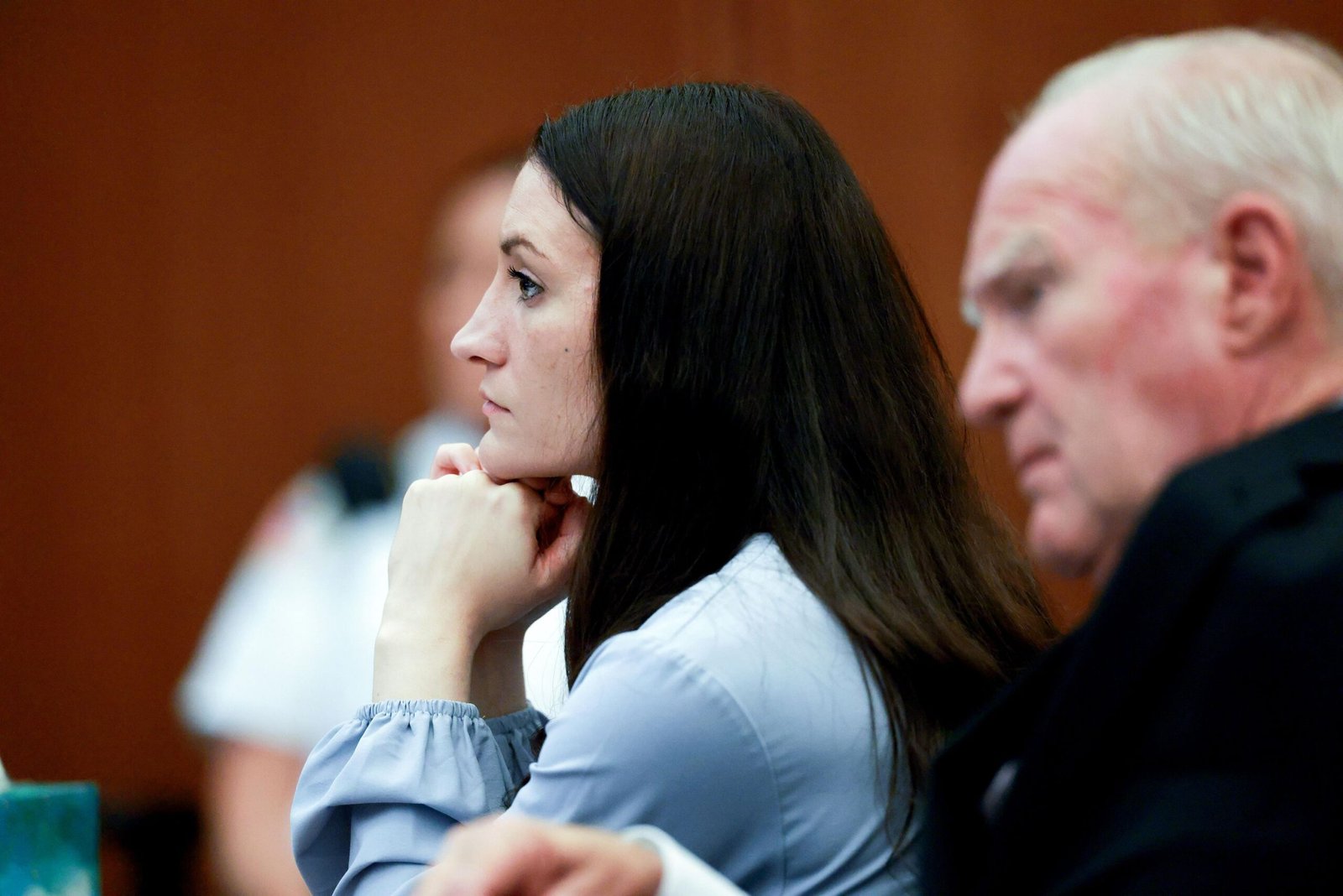
The trial has already produced deeply emotional testimony. Clancy has cried during proceedings, including during testimony concerning the deaths and autopsies of her children. Her emotional reactions, however, are not themselves evidence of whether she was legally responsible at the time of the killings. Jurors must ultimately evaluate the medical and factual evidence rather than determine guilt based on courtroom emotion.
The medical evidence concerning the children has also been presented to the jury. Experts testified that the injuries suffered by the children were consistent with a lack of oxygen, while prosecutors have described the deaths as intentional strangulations.
As the trial continues, jurors are being asked to consider two competing narratives.
The prosecution portrays Clancy as a mother who intentionally killed her children and then attempted to kill herself, arguing that her actions were planned and that her mental-health history does not eliminate criminal responsibility.
The defense portrays her as a severely ill woman whose psychiatric condition had deteriorated dramatically after childbirth, whose providers failed to recognize the seriousness of what was happening and whose judgment was ultimately overwhelmed by postpartum psychosis and other mental-health problems.
Neither side’s interpretation has been accepted as the final truth. That decision belongs to the jury after all of the evidence has been presented.
The testimony of Dr. Jennifer Tufts has nevertheless become one of the most significant pieces of the defense’s effort to demonstrate that Clancy’s medical care failed her before the tragedy. The defense’s cross-examination focused not only on what Tufts knew, but also on what she did not know: the suicide hotline calls, the treatment provided by other clinicians and the possibility that symptoms were pointing toward a diagnosis more serious than anxiety or adjustment disorder.
For prosecutors, the testimony provides an opportunity to show that Clancy was repeatedly evaluated by professionals who did not see evidence of psychosis or an imminent threat to her children. If those assessments were reasonable based on the information Clancy provided at the time, prosecutors can argue that her later claim of severe psychosis should be viewed cautiously.
For the defense, however, the fact that several providers failed to recognize the severity of Clancy’s condition may itself be evidence of how effectively her illness concealed what was happening internally.
That conflict is now at the heart of one of the most closely watched criminal trials in Massachusetts.
The proceedings are expected to continue with additional medical professionals, investigators and experts examining Clancy’s psychological state and the events leading up to January 24, 2023. As more evidence is presented, the jury will ultimately have to determine not simply what Lindsay Clancy did, but what was happening inside her mind when she did it.
For the families involved, there is no easy resolution. Three children are dead, a mother is facing the possibility of life imprisonment or long-term psychiatric confinement, and questions about the mental-health system remain unresolved.
The trial is therefore becoming about more than one family’s tragedy. It is also forcing difficult questions about how postpartum psychiatric disorders are recognized, how healthcare providers communicate with one another, how warning signs are evaluated, and where the legal system should draw the line between mental illness and criminal responsibility.
For now, the courtroom remains divided between two explanations of the same devastating events. The prosecution says the evidence points to deliberate murder. The defense says the evidence points to a catastrophic psychiatric breakdown that should prevent criminal punishment.
As testimony continues, the jury will eventually be asked to decide which explanation is supported by the evidence beyond the required legal standard.
Until then, the case remains an unresolved examination of one of the most difficult questions in criminal law: when severe mental illness changes a person’s perception of reality, when does that illness become powerful enough to remove criminal responsibility?
That is the question at the center of Lindsay Clancy’s trial, and the testimony from the doctors who treated her before the tragedy may prove crucial in determining the answer.