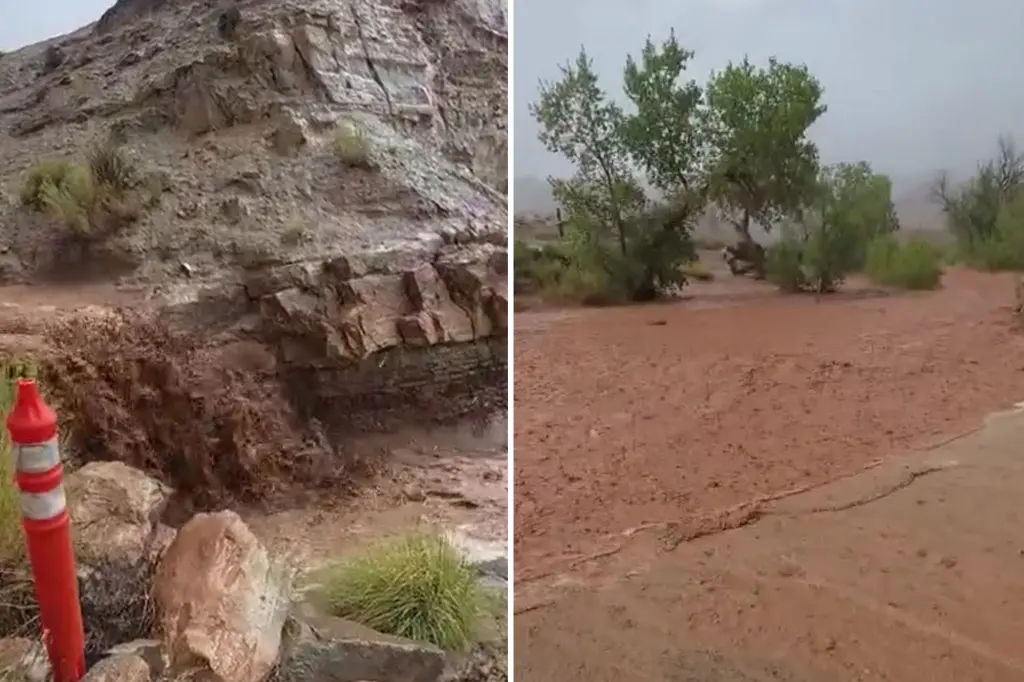
A powerful flash flood that tore through the depths of the Grand Canyon has turned into a major search-and-rescue operation, with one person confirmed dead and about 15 others still reported missing or unaccounted for.
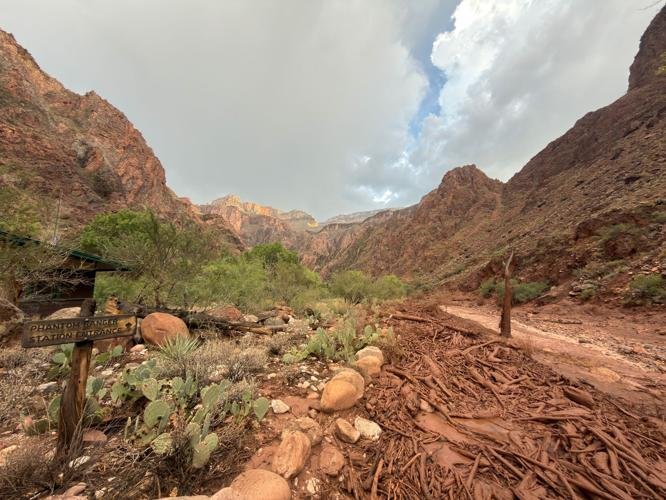
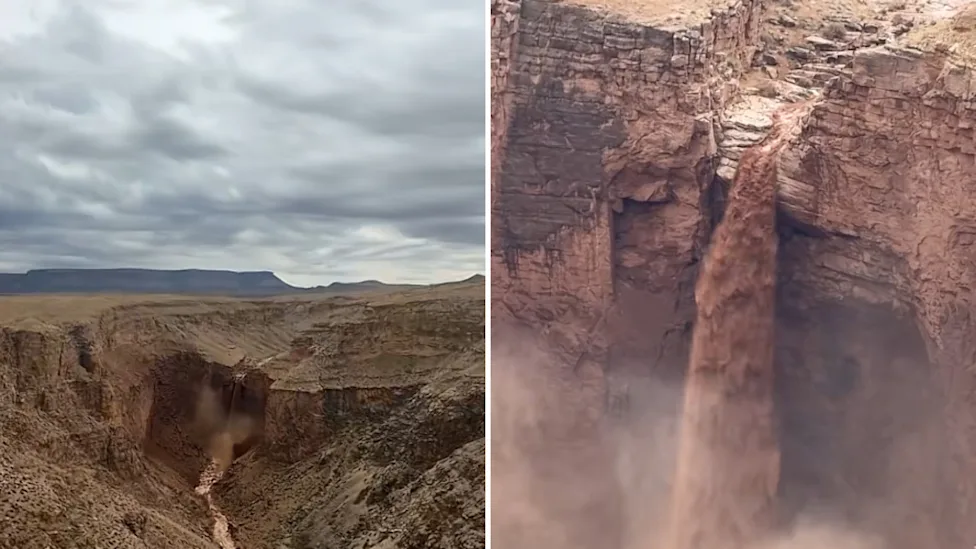
The flooding struck Bright Angel Canyon and the Phantom Ranch area on Saturday, August 29, after intense thunderstorms sent a sudden surge of water through the canyon.
What initially appeared to be a dangerous weather emergency has since become a much larger disaster. More than 60 people have been evacuated by helicopter, major hiking routes have been closed, bridges have been destroyed and the park’s critical water pipeline has been severely damaged.
The National Park Service said Sunday that one person had been recovered from the Colorado River. The deceased was later reported to be a 46-year-old man found near Crystal Rapids. Officials have not publicly released additional details about his identity while the search for other potentially missing people continues.
At the same time, authorities are trying to determine the whereabouts of approximately 15 people who may have been in the affected area when the flood struck.
The number has changed as officials have worked to account for visitors and hikers who may have been in the remote inner canyon, where communication can be difficult and normal access routes have been damaged or completely washed away.
A sudden wall of water through Bright Angel Canyon
The flash flood began at approximately 2:30 p.m. Saturday in the Bright Angel Canyon and Phantom Ranch area.
The National Park Service described the event as a significant flash-flood episode that caused extensive damage throughout the inner canyon.
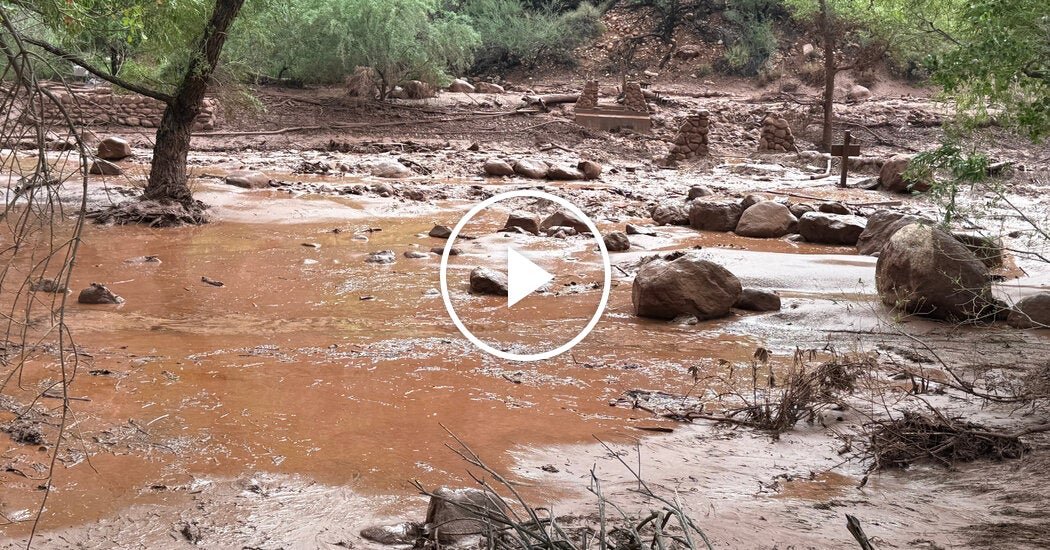
Nearly all of the footbridges crossing Bright Angel Creek were destroyed, making sections of the area inaccessible to hikers. Large amounts of debris were also carried toward the Colorado River, while trails and other infrastructure suffered significant damage.
The danger was made worse by the geography of the Grand Canyon.
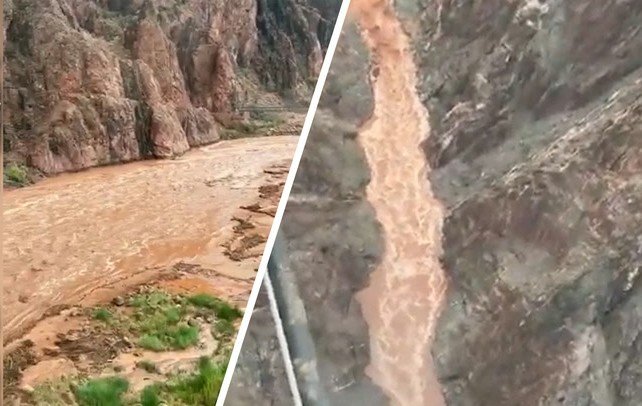
Rainfall that might appear manageable in another location can become extremely dangerous when it falls over steep canyon terrain. Water can rapidly concentrate into narrow channels, carrying mud, rocks, trees and other debris with enormous force.
That appears to have happened Saturday, leaving people in the canyon with little time to react as water levels rose and trails were overwhelmed.
The National Park Service has warned that additional thunderstorms and heavy rainfall are possible, meaning the danger has not necessarily ended with the first major flood. Officials are concerned about additional flash flooding, debris flows and rockfall in the affected areas.
More than 60 people evacuated
As conditions deteriorated, rescue teams began moving people out of the affected areas.
At least 62 people were evacuated from Phantom Ranch and the lower North Kaibab Trail, with helicopters used to transport people toward safety. Additional evacuations were also being coordinated from areas including Cottonwood Campground and Phantom Ranch.
The operation is complicated by the remote location.
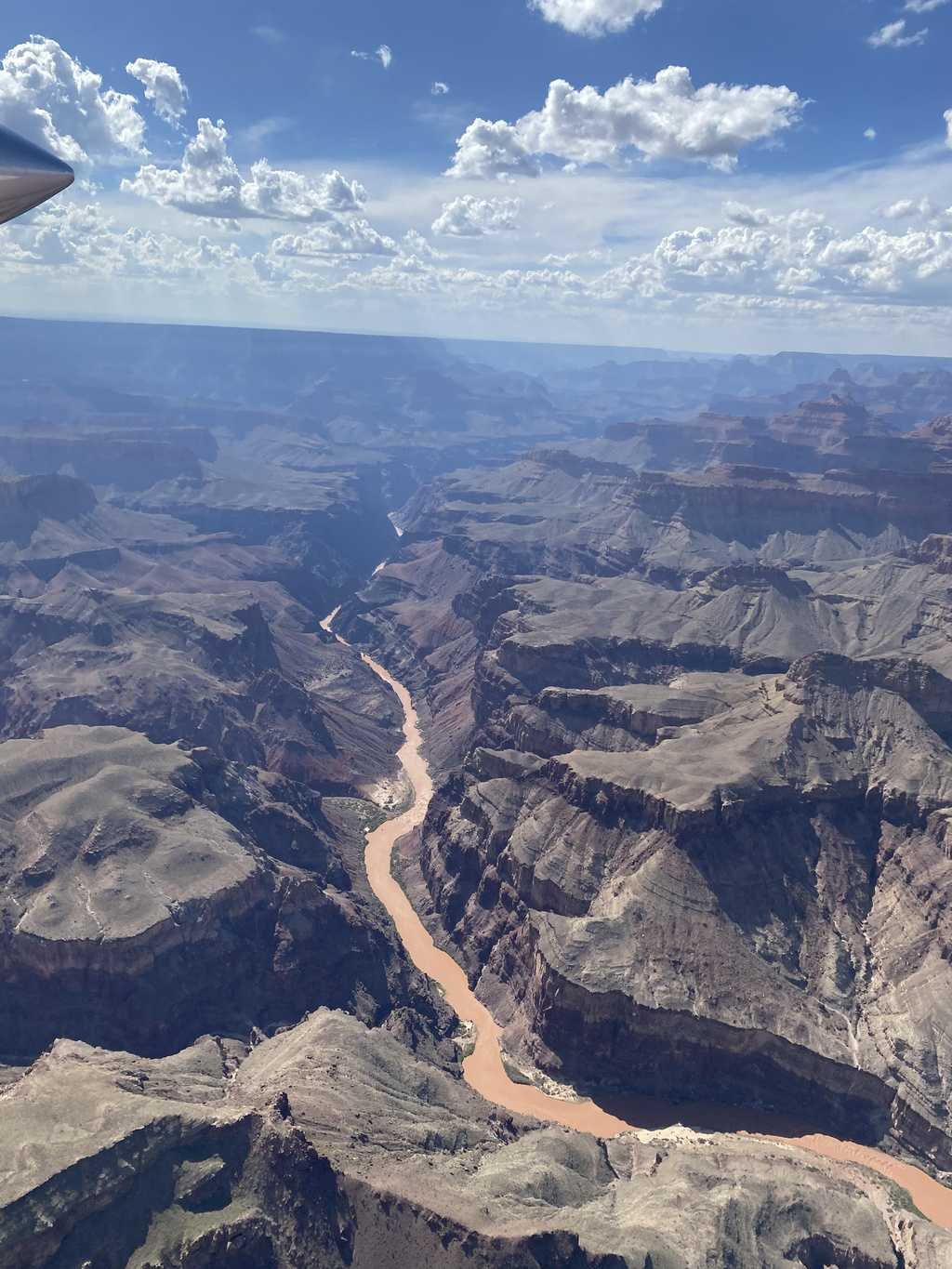
Phantom Ranch sits deep inside the Grand Canyon, meaning access is very different from an ordinary road-side emergency. Hikers normally reach the area by trail, while other visitors can arrive by mule or through river routes.
Once the flood damaged bridges and trails, some of those normal escape routes were no longer usable.
Search teams are therefore relying heavily on helicopters and coordinated operations involving the National Park Service, Arizona Department of Public Safety and other agencies.
Phantom Ranch and major trails remain closed
The flooding has forced authorities to close some of the Grand Canyon’s most recognizable inner-canyon locations.
Phantom Ranch is closed, including its cabins, canteen and the Bright Angel Campground.
The entire North Kaibab Trail from the North Kaibab Trailhead to Phantom Ranch is also closed until further notice.
The Black Bridge and Silver Bridge have also been closed because of the dangerous conditions and damage caused by the flooding.
The National Park Service has not provided a reopening date for these areas.
Officials are continuing to inspect trails, bridges, utilities and other structures before deciding when visitors can safely return.
The Colorado River has also been temporarily closed to river traffic because metal structures and debris were swept into the river during the flood.
The flood also damaged the Grand Canyon’s water supply
One of the most serious consequences may extend far beyond the destroyed trails.
The flooding severely damaged the Transcanyon Waterline, which supplies water used by the park.
The pipeline is currently not operational, leaving the park with limited water reserves.
Because of the damage, the National Park Service announced that the South Rim would move to Stage 4 water restrictions beginning at noon on August 31.
The restrictions have major consequences for visitors.
Beginning Monday, August 31, overnight accommodations operated inside the park are being halted. That includes hotels and lodging facilities such as El Tovar, Bright Angel Lodge, Maswik Lodge, Phantom Ranch and Yavapai Lodge.
Dry camping will be permitted, but campground water spigots will be turned off, with limited exceptions.
The park is also banning fires on the South Rim and in inner-canyon areas.
Day-use operations will continue, and some food services, the Grand Canyon Clinic and the Post Office will remain open, although some services may operate on reduced schedules.
Park officials are asking visitors and residents to conserve water as crews assess the damage and work to protect the remaining supply.
Search continues for people who may still be missing
The most urgent part of the response remains the search for people who may have been caught in the flood.
The National Park Service has said approximately 15 people may still be missing or unaccounted for.
Officials are asking anyone who may have information about people who were in the affected area around the time of the flooding to contact authorities.
The search is taking place under difficult conditions.
Some trails have been destroyed or made impassable, communications can be limited in the canyon and more storms are possible.
The discovery of one body in the Colorado River has also underscored the seriousness of the situation.
Authorities have not announced that all of the people currently listed as missing are necessarily victims of the flood. The term “missing or unaccounted for” reflects the fact that officials are still working to determine everyone’s whereabouts.
That distinction is important as the search continues.
A disaster made worse by damaged infrastructure
The flooding has caused damage far beyond individual trails.
Footbridges have been destroyed.
Debris has entered the Colorado River.
Major hiking routes have been closed.
The water pipeline has stopped operating.
And the park has been forced to impose some of its strongest water-conservation measures.
The timing is particularly difficult because the Transcanyon Waterline was already undergoing a major modernization project. The rehabilitation project, which has been underway since 2023, is intended to replace aging infrastructure and improve the system’s reliability.
The damage caused by Saturday’s flooding now creates another challenge for park officials and crews working to maintain essential services.
For the thousands of people who visit the Grand Canyon and the communities that depend on the park, the effects could continue well beyond the immediate emergency.
More storms could bring another threat
The National Park Service has warned that the weather threat remains active.
Additional thunderstorms and heavy rainfall are possible, creating the potential for more flash floods, debris flows and rockfall.
That means rescuers are not simply dealing with the aftermath of Saturday’s flood. They must also consider the possibility that conditions could deteriorate again while search operations are underway.
For hikers who were in the canyon during the storm, the situation demonstrates how quickly conditions can change in the Grand Canyon.
A trail that appears safe can become dangerous when heavy rain falls upstream.
A normally manageable creek can rise rapidly.
And debris carried by floodwater can destroy bridges and block the routes people depend on to escape.
The Grand Canyon remains open in limited areas
The disaster does not mean the entire Grand Canyon National Park has been closed.
Several South Rim areas remain open for day use, while specific sections affected by the flood are closed.
The National Park Service is continuing to update trail and facility conditions as crews inspect the canyon and assess damage.
But for now, the message from officials is clear: visitors should stay away from the closed areas and follow current park restrictions.
The immediate priority is locating anyone who may still be missing, recovering those who were caught in the flood and ensuring that people remaining in the canyon can be moved to safety.
At the same time, crews face the enormous task of determining how much of the damaged infrastructure can be repaired and how quickly essential water service can be restored.
For the families waiting for news, however, the broader infrastructure damage is secondary.
One person is already confirmed dead.
About 15 others remain unaccounted for.
And search teams are still working through a canyon dramatically altered by a sudden surge of water.
What began as a powerful summer storm has left behind destroyed trails, damaged bridges, a crippled water system and an ongoing search for people whose whereabouts remain unknown.
The Grand Canyon’s landscape has changed in a matter of hours.
Now rescuers are racing against time — and potentially against another round of severe weather — to find everyone who may still be out there.